


Products
Industries
LinkAige
About


The push for European port integration has been underway for some time, with notable steps taken as early as last year. A key example is the Port of Antwerp and Port of Rotterdam, who in 2025 announced their collaboration to streamline operations and share digital infrastructure. This partnership is part of a broader move towards data-driven efficiency in EU ports, aiming to reduce congestion and improve cargo throughput.
This trend is not limited to Northern Europe. Across the Mediterranean ports and Italy port, similar efforts in port consolidation and supply chain optimization are reshaping logistics operations, pushing forward a more resilient European supply chain. These ongoing transformations are setting the stage for the future of EU port infrastructure, with technology at the heart of the next wave of growth.
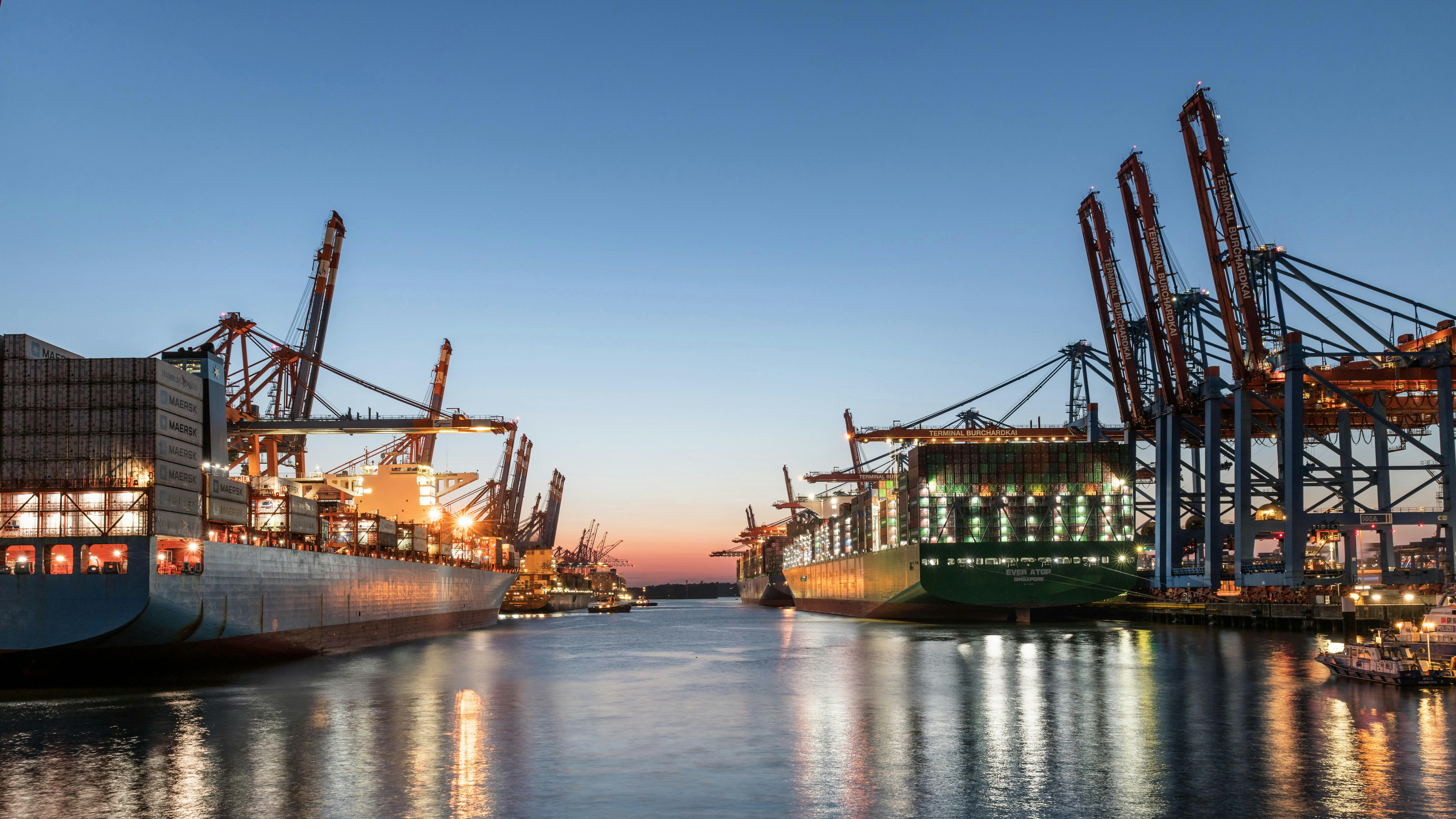
Photo by Wolfgang Weiser on Unsplash
The formal establishment of Porti d’Italia Spa under Italy’s comprehensive port reform marks a watershed moment for the Italian port system and the broader European logistics landscape. On 23 December 2025, the Italian Council of Ministers approved a transformative reform that creates a state-owned strategic coordination hub designed to unify and modernize Italy’s fragmented port governance and investment framework.
From the viewpoint of the European supply chain, Porti d’Italia Spa has the potential to reshape how Italy’s seaports interface with EU port infrastructure and logistics networks. For decades, Italian ports have grappled with challenges stemming from governance fragmentation and investment bottlenecks, which in turn have limited their efficiency and competitiveness relative to integrated hubs such as Rotterdam Port and Antwerp. The establishment of a central coordination body allows Italy to pursue large-scale infrastructure projects and accelerated approvals of port master plans and dredging works — critical enablers for intermodal connectivity and throughput optimization that are central to modern European Logistics strategies.
In logistics practice, consolidating strategic decisions at the national level enhances the Italian port system’s ability to attract investment, streamline long-term planning, and integrate with key European corridors (including the Trans-European Transport Network). It also lays a foundation for advanced digitalization and sustainability measures across ports — from unified EU port infrastructure standards to coordinated approaches to energy transition and operational efficiency. As a result, Porti d’Italia Spa is not simply a new administrative entity; it symbolizes a transformative shift toward an integrated Italian and Mediterranean port strategy, with downstream benefits for supply chain fluidity, international connectivity, and competitive positioning within the broader European market.
In the evolving world of European Logistics, ports are no longer operating as isolated entry points into national markets; they are increasingly becoming interconnected nodes within unified transport networks that support global trade flows. This shift from fragmented gateways to strategically aligned hubs is reshaping the European supply chain and enhancing the role of Italian port systems and other key EU facilities in broader continental connectivity. Three core forces are accelerating this transformation: the rise of shipping alliances and vessel upsizing, the escalation of infrastructure and capital requirements, and intensified competition among port regions. Together, these dynamics are driving deeper integration and cooperation across EU port infrastructure while redefining how ports contribute to efficient supply chains.
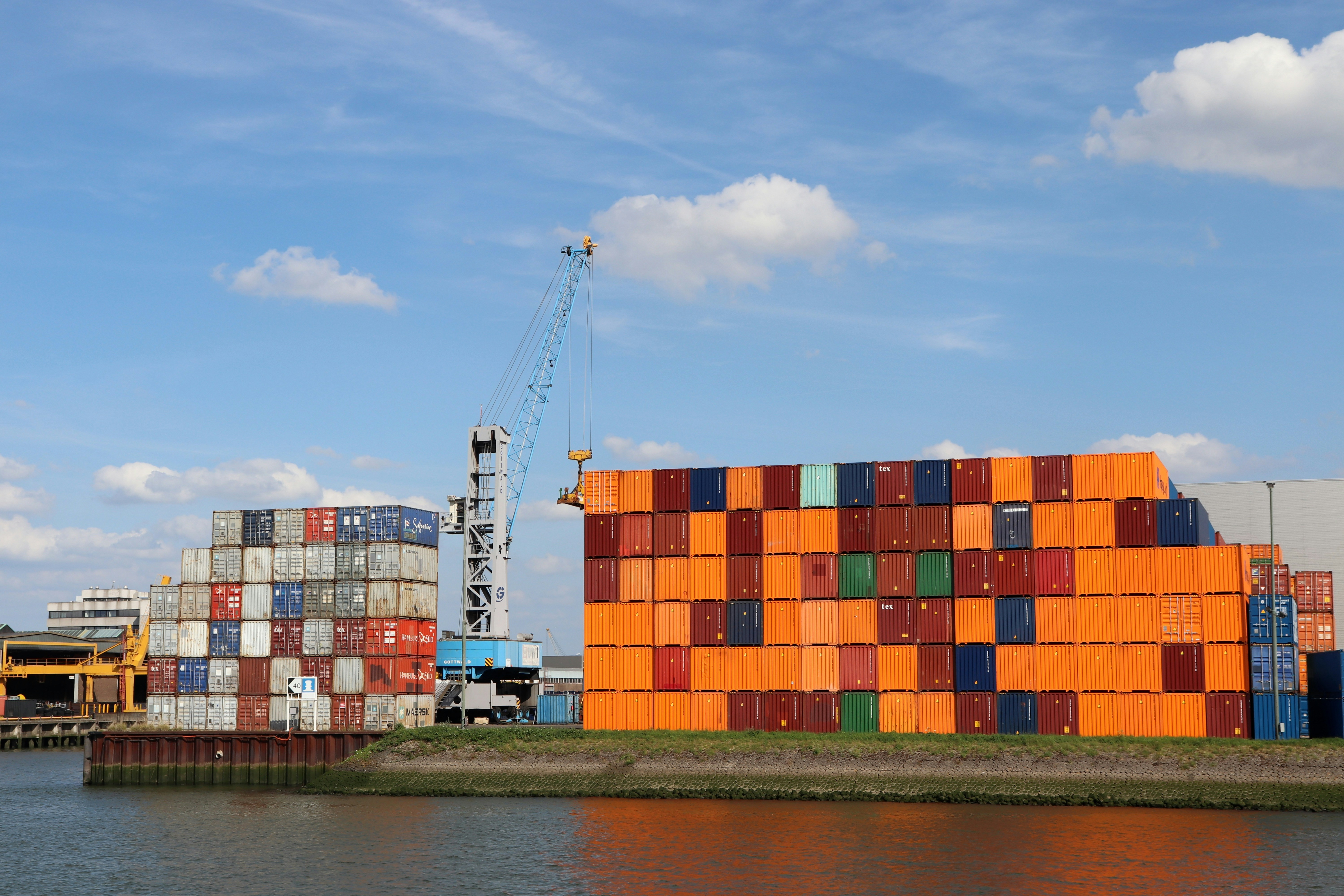
Photo by Julia Taubitz on Unsplash
A foundational driver of port consolidation and network integration across Europe is the influence of strategic shipping alliances and the continuous upsizing of vessels. As global carriers form alliances—such as the Gemini Cooperation, Ocean Alliance, and others—their networks increasingly concentrate cargo on fewer, larger vessels, optimizing schedules and reducing redundant port calls. These alliances encourage ports to adapt their infrastructure to support ultra-large container ships and synchronized schedules, which places a premium on efficient cargo handling, berthing space, and effective hinterland connections.
Ports that can’t accommodate these globally aligned service patterns risk losing volume or being bypassed altogether, compelling them to innovate and integrate more closely with inland logistics corridors to retain competitiveness in the European supply chain. The growth of these alliance networks has shifted how ports allocate resources and plan investments, making deeper cooperation and shared planning a practical necessity rather than a strategic option.
The upward trend in infrastructure requirements is another powerful force reshaping the EU port infrastructure landscape. With vessel upsizing, digital transformation, and environmental compliance demanding significant investment, ports across Europe are confronting unprecedented capital thresholds. Accommodating the latest generation of mega-ships requires deeper drafts, extended quays, smart automation systems, and robust equipment capable of handling larger cargo volumes seamlessly.
At the same time, digital technologies—such as advanced Port Community Systems and AI-driven scheduling platforms—are becoming indispensable to cut turnaround times, improve data sharing, and enable real-time decision-making. These investments are costly and complex, creating economic incentives for ports to pursue collaborative planning, shared platforms, and integrated infrastructure strategies rather than isolated, parallel upgrades.
The rise in capital costs continually reshapes the logic of competitiveness: ports with coherent modernization strategies backed by unified planning can better support supply chain fluidity and integration across European logistics corridors.
logistics environment, ports no longer compete solely on local operational efficiency; instead, they vie for strategic relevance within a broader continental network of freight flows. As trade patterns shift and bottlenecks such as the Red Sea crisis or Suez Canal delays temporarily disrupt long-established routes, ports across Europe are forced to adapt rapidly, focusing their value propositions on connectivity, reliability, and multimodal access.
This competitive pressure encourages ports to diversify services, collaborate with inland terminals, and position themselves robustly within regional transport corridors. Rather than simply rivaling neighboring facilities, many ports are now adopting networked strategies to jointly attract shipping lines and freight flows, strengthening their influence in key logistics corridors and contributing collectively to the efficiency of the wider European supply chain. This trend highlights the evolving status quo where competition spurs cooperation, interoperability, and shared investment in common logistics challenges.
Port consolidation fundamentally reshapes how the European supply chain functions, not by eliminating competition, but by reducing fragmentation across decision-making, infrastructure planning, and network coordination. When ports operate within more unified governance and investment frameworks, the supply chain gains greater predictability, scalability, and resilience—three attributes that have become critical in today’s volatile trade environment.
At a structural level, consolidation improves network consistency. Shippers and logistics providers benefit from more aligned port standards, coordinated capacity expansion, and clearer long-term infrastructure roadmaps across EU port infrastructure. This reduces uncertainty around port capability, turnaround performance, and hinterland access, allowing cargo owners to plan routes with greater confidence and fewer contingency buffers.
Consolidation also strengthens intermodal integration, enabling ports to function as synchronized nodes within broader logistics corridors rather than isolated gateways. As a result, inland transport links—rail, road, and inland terminals—can be planned and optimized in parallel with maritime capacity, improving flow continuity from seaport to final destination. For the Italian port system and other Mediterranean hubs, this is particularly important in supporting their role within trans-European freight networks.
Most importantly, port consolidation enhances supply chain resilience. By enabling coordinated responses to disruptions, capacity shifts, and demand fluctuations, integrated port systems can absorb shocks more effectively than fragmented ones. In this sense, consolidation is less about centralization for its own sake and more about enabling a more adaptive, interconnected European logistics ecosystem—one better equipped to support long-term trade growth and supply chain stability.
Port consolidation is reshaping European logistics, but scale alone does not guarantee better supply chain performance. Centralized port governance can reduce fragmentation and unlock investment efficiency, yet it also introduces risks around local flexibility, decision speed, and market concentration. Regional ports often serve highly specific cargo profiles and hinterland needs, and overly centralized models may struggle to respond quickly to operational variability on the ground.
These concerns have surfaced in discussions around integrated models such as Porti d’Italia, where balancing national coordination with regional autonomy remains a key challenge. Slower decision cycles and reduced responsiveness can offset some of the intended efficiency gains if not carefully managed, particularly in a logistics environment defined by volatility and frequent disruption.
This is where intelligent logistics technologies become critical enablers. AI-driven scheduling, real-time visibility, and distributed control architectures allow ports to retain local operational agility while aligning with system-wide planning objectives. Using AI, algorithms, and big data, Westwell Technology helps ports automate operations and monitor every stage of the transport network—from autonomous vehicles to smart equipment—without limiting local decision-making. When combined with open digital ecosystems, these technologies help ensure that consolidation delivers scale benefits without sacrificing flexibility or competition.
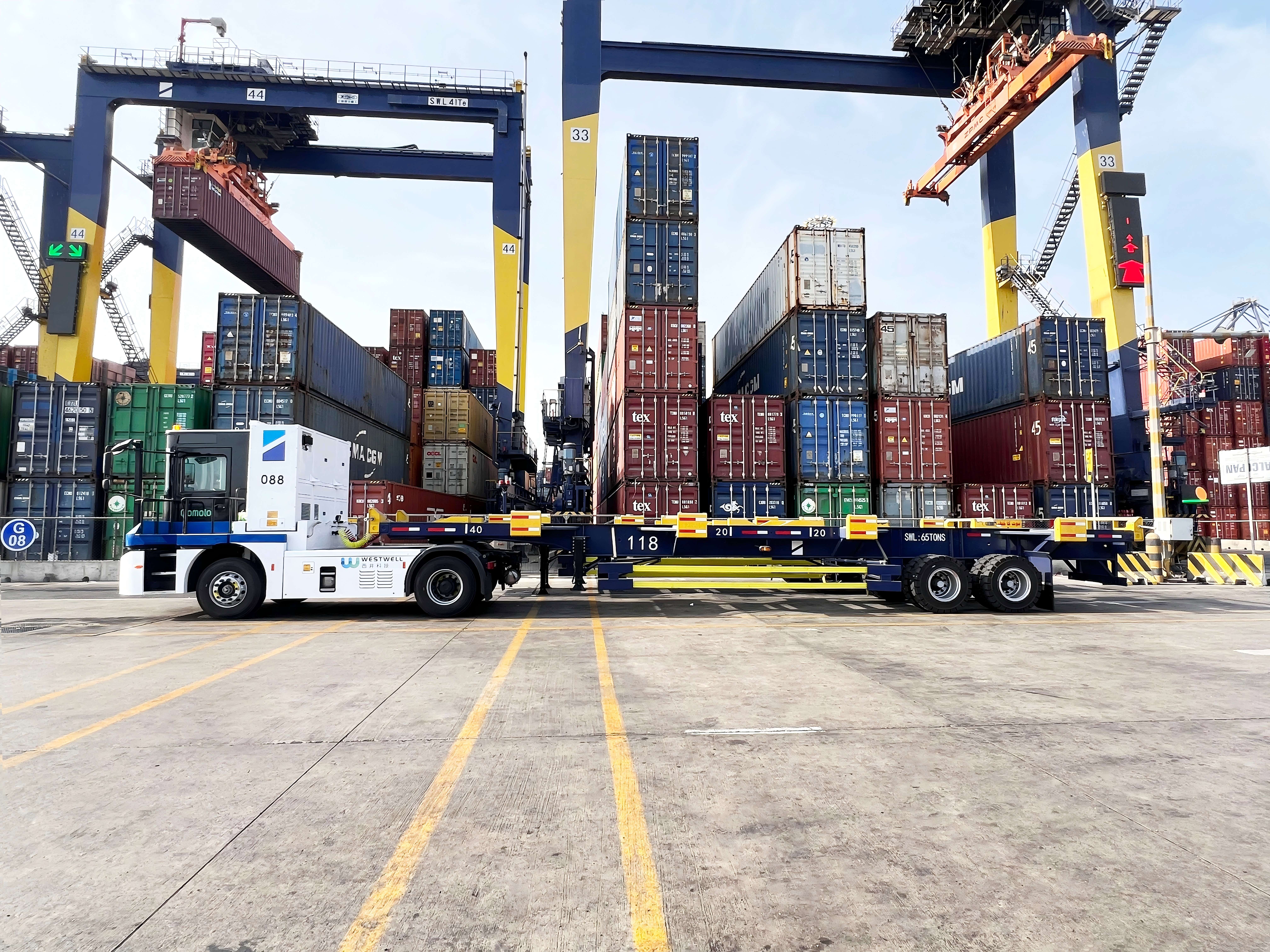
As ports grow larger, more automated, and more interconnected, energy is rapidly becoming a defining constraint for global logistics, not just a sustainability consideration. Across Europe and worldwide, rising electricity demand from electrified equipment, autonomous vehicles, shore power systems, and digital infrastructure is reshaping how ports think about capacity planning and long-term competitiveness. In this context, port consolidation without a coherent energy strategy risks creating new bottlenecks rather than solving existing ones.
The challenge is not uniform. Ports differ widely in renewable resource availability, power pricing, grid capacity, and regulatory requirements. New terminals face different energy design decisions than legacy ports undergoing retrofit. This makes a one-size-fits-all approach to port energy transition ineffective, particularly as ports increasingly operate within integrated networks where reliability and cost stability directly affect the wider supply chain.
To address this, leading ports are moving toward closed-loop, intelligent energy systems that combine generation, storage, consumption, and recovery into a coordinated framework. Rather than treating energy assets as standalone installations, this approach aligns energy planning with operational scheduling and equipment usage, enabling ports to reduce peak loads, improve utilization efficiency, and support carbon compliance without sacrificing operational flexibility.
Within this shift, Westwell Technology’s energy strategy is positioned as a system-level enabler rather than a single-solution provider. By integrating distributed renewables, energy storage, electrified equipment, and intelligent energy management systems, Westwell supports ports in building full-stack, zero-carbon energy solutions that span from planning to deployment and long-term operation. AI-driven scheduling, predictive energy management, and open digital platforms allow ports to coordinate “energy supply–dispatch–consumption–recovery” as a unified loop, aligning energy decisions with real-time logistics demand.
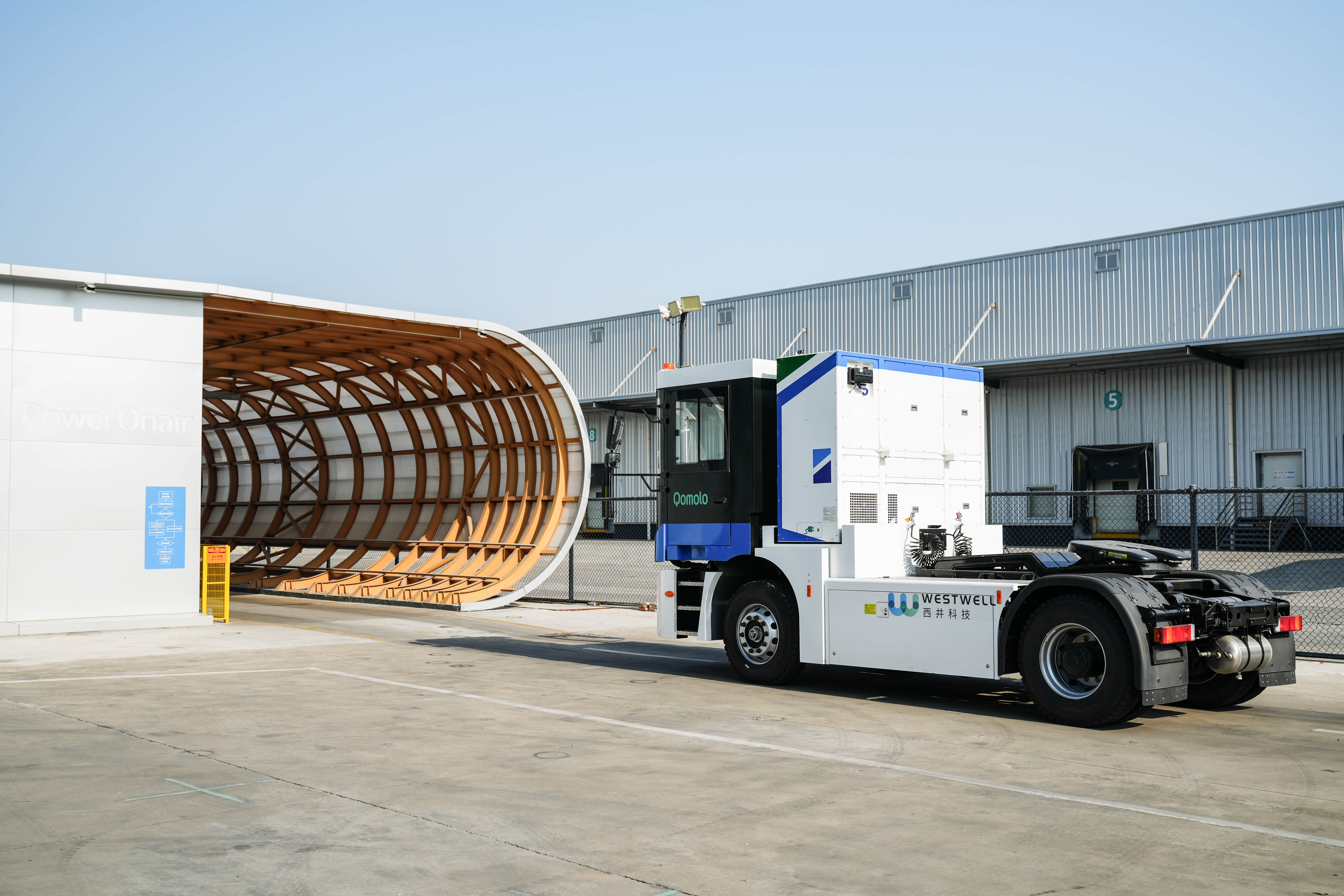
Crucially, this model supports both cost optimization and regulatory compliance. Through peak shaving, energy market participation, reduced grid upgrade requirements, and shore power alignment, ports can lower operating costs while meeting tightening emissions and electrification mandates. At the same time, open technical ecosystems prevent energy systems from becoming monopolized or inflexible, preserving competition and adaptability within integrated port networks.
As port consolidation accelerates globally, energy will increasingly determine whether scale translates into resilience—or vulnerability. Ports that embed intelligent, lifecycle-oriented energy strategies into their integration plans will be better positioned to sustain automation, absorb volatility, and support the next phase of global supply chain transformation.
Between 2026 and 2030, European ports will be defined less by size and more by connectivity, intelligence, and resilience. While port consolidation will continue, its success hinges on digital integration, intermodal coordination, and data-driven decision-making across the European supply chain.
Reforms like Porti d’Italia Spa signal a broader European trend toward unified infrastructure and stronger Mediterranean links, connecting global trade routes with inland Europe. Moving forward, stakeholders—shippers and logistics providers alike—will prioritize ports that offer predictability, transparency, and seamless inland access, rather than just throughput capacity.
In the coming years, successful ports will integrate coordinated governance with advanced technology, transforming into flexible, interconnected platforms that support Europe’s evolving supply chain needs.