We Don't Automate One Step, We Redesign the Entire Chain

We Dont' Automate One Step, We Redesign the Entire Chain

Centered on full-stack AI and new energy technologies, we break down barriers across seaports, airports, factories, and logistics parks, reshaping the entire value chain through global synergy to propel our global customers toward sustainable growth and a more secure future.

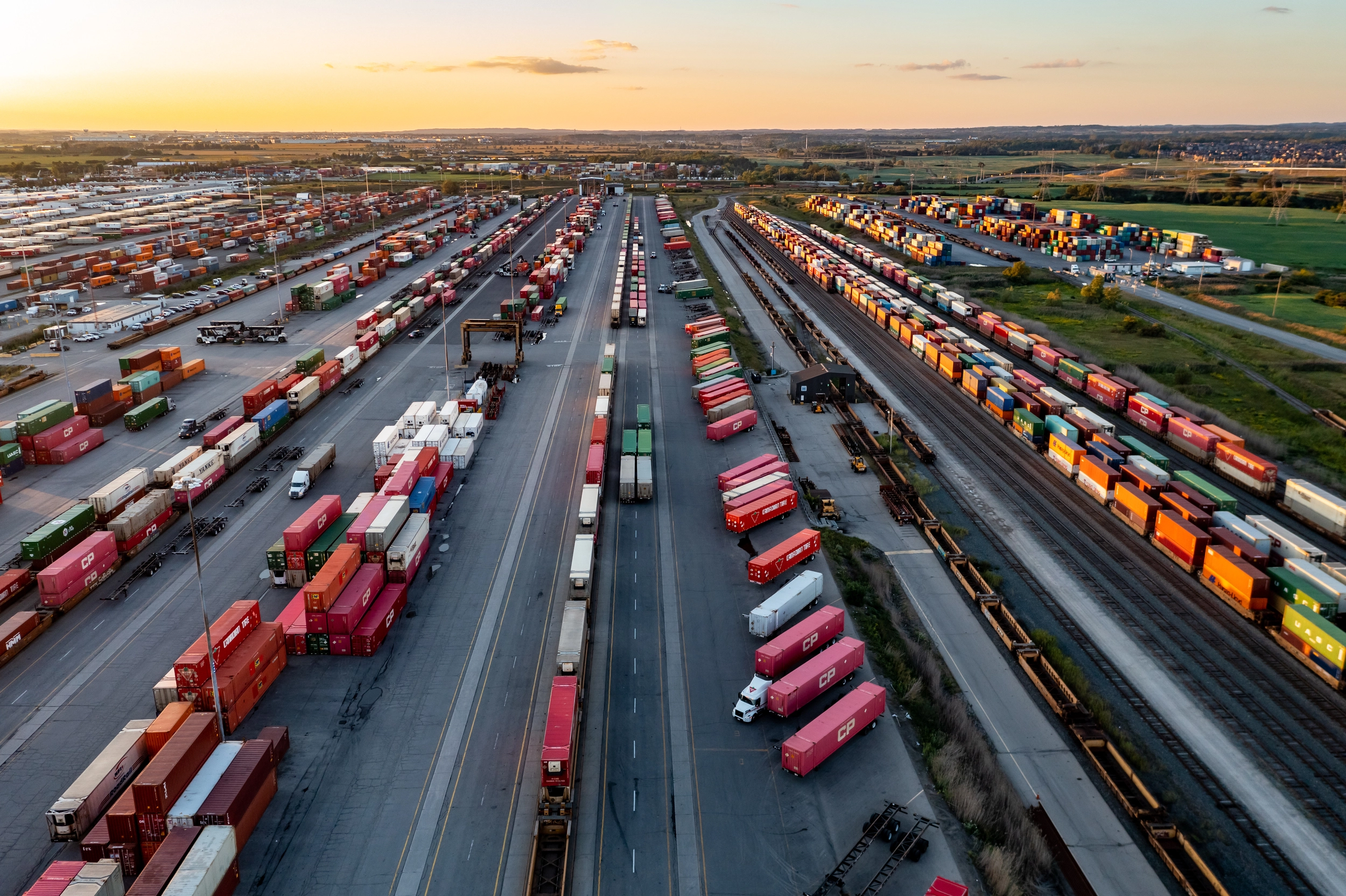
Global Practice, Shared Future for Intelligent Flow

Global Practice, Shared Future for Intelligent Flow

Together with leading partners worldwide, we reduce carbon emissions and operating costs in real-world operations, while enhancing flow efficiency across every scenario.

JIT Logistics for Mega-Factories: How to Build Autonomous Material Flow

JIT logistics keeps production moving by delivering the right parts, in the right sequence, to the right station at the right time. At mega-factory scale, that timing depends on more than a few automated vehicles. Warehouse, line-side, yard and cross-workshop movements must share production data and operate under one dispatch logic. This article explains how to design that flow, where warehouse robots, automated guided vehicles (AGVs), autonomous mobile robots (AMRs) and autonomous trucks fit, and what manufacturers can learn from a live automotive deployment.
JIT Logistics for Mega-Factories: How to Build Autonomous Material Flow

Why Cargo Still Moves Too Slowly Inside Modern Hubs

Cargo still moves too slowly inside modern hubs because the longest delays no longer happen on the ocean or the highway — they happen in the last few hundred meters. While airlines, trunk carriers, and automated ports have spent decades optimizing long-distance links, the short-distance transfers between operational nodes inside a hub remain fragmented, under-equipped, and manually scheduled. The tow tractor is the equipment built to solve it.
Why Cargo Still Moves Too Slowly Inside Modern Hubs

From Automation to Autonomy: How AI Is Shaping the Future of Industrial Logistics

The Great Shift: Moving from Rigid Automation to Intelligent Autonomy In the landscape of modern industrial logistics, the difference between factory automation and autonomy has become the defining l
From Automation to Autonomy: How AI Is Shaping the Future of Industrial Logistics

What is Logistics 4.0? From Traditional Operations to Intelligent Automation

From Paperwork to Automation: The Evolution of Logistics in the 4.0 Era In the traditional logistics model, repetitive processes and disconnected information systems often lead to inefficiencies. Ima
What is Logistics 4.0? From Traditional Operations to Intelligent Automation