


Products
Industries
LinkAige
About


In 2025, Colombo Port handled a record 8.29 million TEU, marking a 6.4% year-on-year increase and setting a new benchmark for container throughput in South Asia. Achieved amid global trade volatility and shifting shipping demand, the milestone reinforces the port’s position as a leading transshipment hub within the global shipping network and highlights the resilience of regional maritime logistics.
The growth reflects sustained terminal infrastructure investment, operational coordination, and continued digital upgrading. Enhanced automation and smart port technologies have helped optimize yard operations, improve efficiency, and shorten vessel turnaround time port, strengthening overall transshipment port performance.
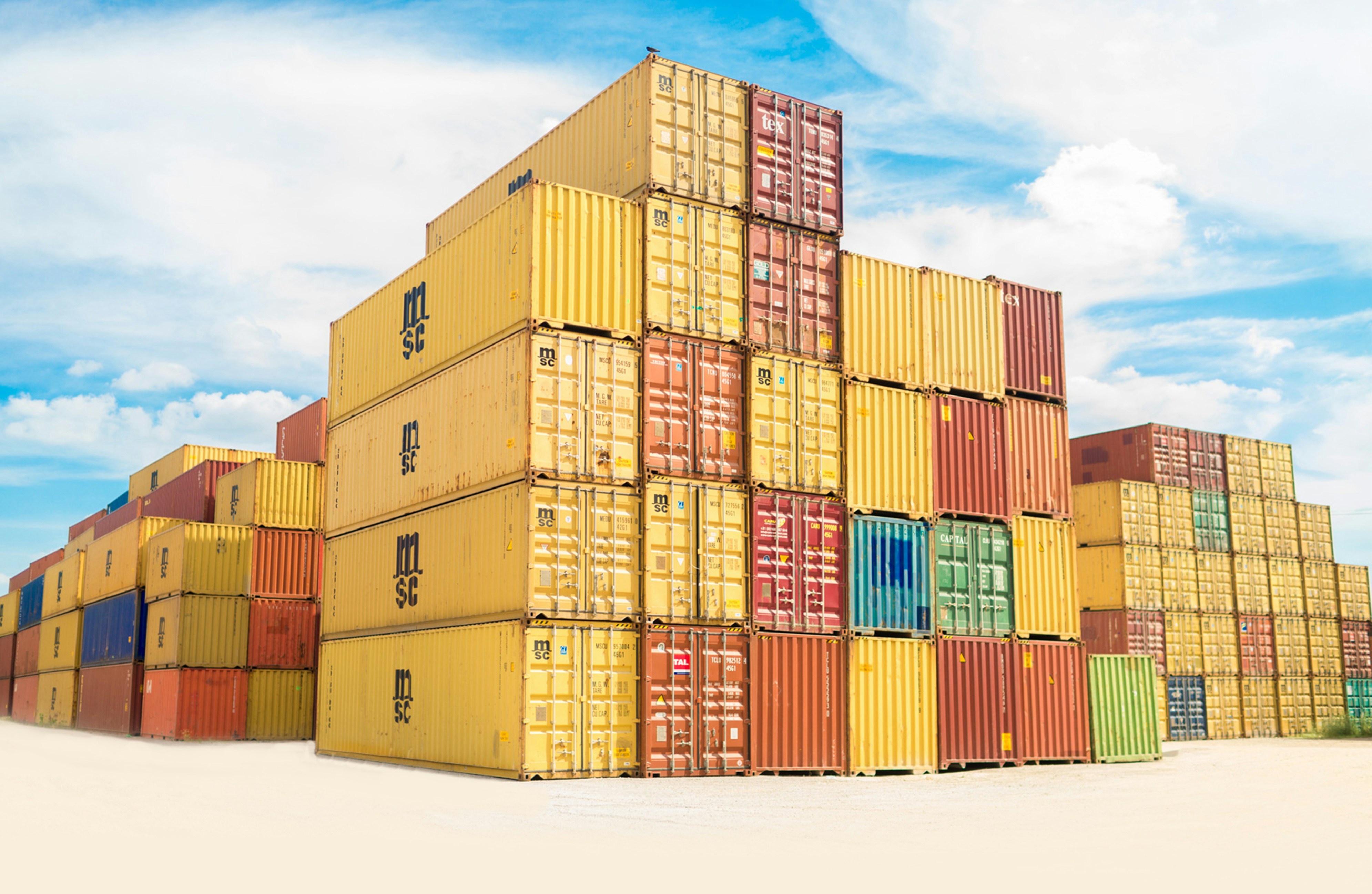
Photo by frank mckenna on Unsplash
At a time when global ports face uneven demand and structural pressures, Colombo Port’s record throughput demonstrates how strategic capacity development and operational consistency can support stable growth. Beyond volume, the achievement underscores why port throughput remains a critical indicator of competitiveness, connectivity, and long-term relevance in global trade.
Colombo Port’s importance extends well beyond throughput figures. Its real strength lies in its structural position within the global shipping network, particularly as a primary transshipment hub serving the Indian subcontinent.
Strategically located along major East–West trade lanes, Colombo connects South Asia with Europe, Africa, and East Asia. This geographic advantage allows carriers to integrate mainline services with regional feeder networks efficiently. For shipping lines operating increasingly complex and cost-sensitive routes, reliable hub ports like Colombo are essential for maintaining schedule integrity and optimizing capacity deployment.
A key differentiator is the port’s deep-water container terminal capability. As global fleets expand and ultra-large container vessels (ULCVs) dominate major routes, berth depth and handling efficiency become decisive factors in hub selection. Colombo’s ability to accommodate large vessels, combined with competitive vessel turnaround times, strengthens its attractiveness to global carriers.
Beyond physical infrastructure, sustained terminal infrastructure investment and digital upgrades have enhanced operational coordination across terminals. This improves transshipment port performance, supports higher cargo consolidation, and reinforces the port’s role as a stabilizing node in regional maritime logistics.
Compared with several neighboring ports facing congestion or depth limitations, Colombo benefits from balanced capacity development and consistent operational standards. In an era where shipping networks are continuously adjusting, such reliability provides shipping lines with both flexibility and cost efficiency.
For South Asia, this positioning is critical. Colombo does not simply move cargo—it anchors regional connectivity within the broader global shipping network, supporting trade flows and strengthening the region’s integration into global supply chains.
The Colombo Port’s 2025 record-breaking container throughput reflects its structural operational resilience, enabling counter-trend growth despite global shipping disruptions. This resilience is built on reliable service, mature operations, and full-chain coordination with upstream and downstream partners. By optimizing vessel turnaround time, strengthening equipment scheduling, and implementing robust emergency response plans, the port has ensured continuous cargo handling and transshipment operations, earning the trust of shipping companies.
Colombo Port’s operational success is underpinned by sustained terminal infrastructure investment and advanced deep-water container terminal capabilities. Its berths can accommodate ultra-large container vessels (ULCV) of 18,000 TEU and above, supported by large quay cranes, gantry cranes, and other modern handling equipment. Continuous investment has also enabled the development of specialized terminals with clear functional positioning: ULCV handling, feeder connections, and cold chain logistics. This balanced infrastructure avoids bottlenecks, optimizes port capacity, and shortens vessel turnaround time.
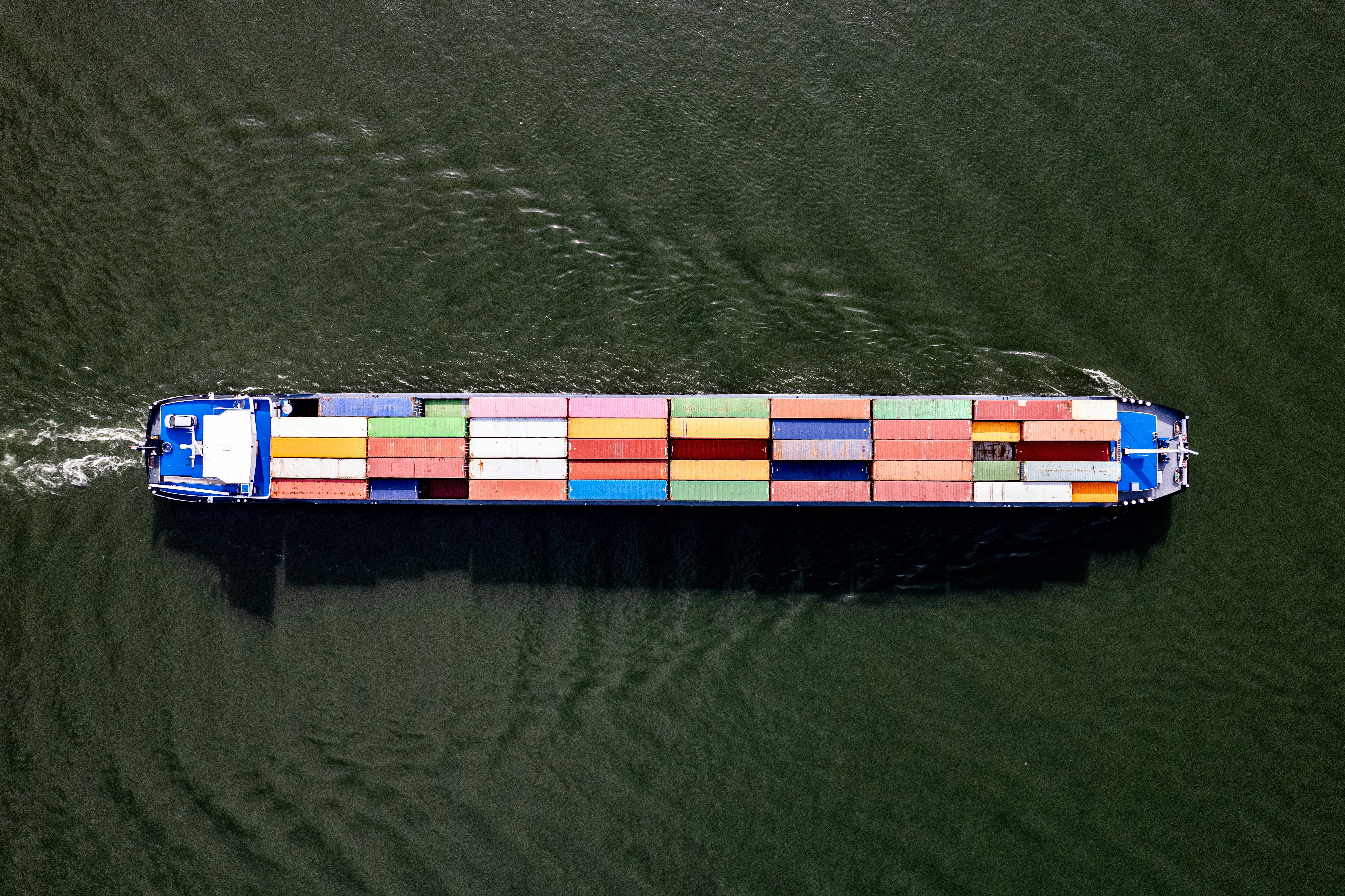
Photo by Bernd Dittrich on Unsplash
Colombo’s success has broader regional implications. Its high-efficiency operations, optimized transshipment performance, and feeder network integration consolidate the South Asian port network, encouraging neighboring ports to upgrade infrastructure, adopt digital-intelligent solutions, and optimize vessel turnaround times.
This coordinated development creates a “core hub + feeder supply” structure, improving regional cargo distribution, boosting container throughput across South Asia, and enhancing the competitiveness of the South Asian port cluster. By serving as a gateway for regional trade, Colombo stabilizes import and export channels, absorbs global trade fluctuations, and reinforces South Asia’s position in global supply chains.
Colombo’s record throughput signals the future of global port development and logistics resilience. Core hub ports are no longer merely cargo-handling nodes but stabilizers of global shipping networks, capable of mitigating risks, ensuring continuity, and maintaining efficiency under market volatility. Rising expectations for port performance increasingly emphasize reliability, coordination, and risk resistance over mere throughput scale.
For South Asian ports, emulating Colombo—through terminal investment, deep-water capacity, digital-intelligent upgrading, and operational maturity—offers a clear path to enhancing competitiveness, optimizing regional networks, and driving sustained container throughput growth. Westwell’s technology provides the core tools to achieve these improvements, enabling ports to strengthen resilience, attract global shipping capacity, and elevate South Asia’s role in the global logistics ecosystem.