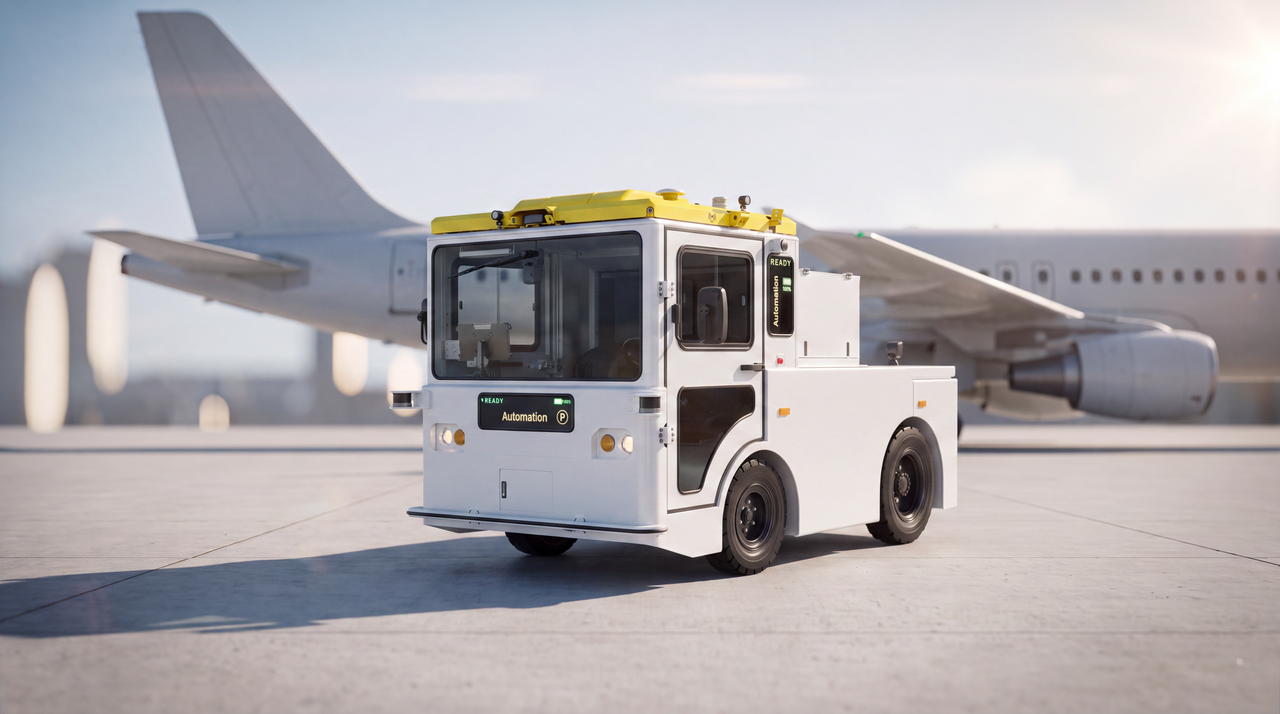
When a flight update changes the next towing task
Consider a terminal preparing several cargo transfers. A flight update changes the timing of one shipment, while another unit load device (ULD) is still being prepared. The tractor may be available and the planned route open, but dispatch must also consider which cargo is ready and which movement now has the more urgent handover.
An occupied receiving position creates a different decision. Sending a tractor immediately may simply move the wait from one part of the terminal to another. Holding that task, assigning another eligible movement or using an agreed alternative process may be more appropriate, depending on the circumstances.
For airport cargo automation to support these decisions, the team needs visibility of the task as well as the vehicle. A useful dispatch process brings together flight and cargo updates, vehicle availability, route conditions and the status of the receiving area. How that information is shared, and which decisions can be automated, depends on the systems and procedures in place at each airport.
Connecting route planning with cargo readiness
Route planning provides a workable path for a towing movement. In daily operations, it is most useful when dispatch can also see whether the task is ready to be carried out. A clear path matters, but so do the cargo handover, the receiving position and the vehicle's current assignment.
When conditions change, the operating team may need to consider several questions:
-
Which tractor is suitable and available for the load and task?
-
Is the route and work area open under current operating conditions?
-
Which task should proceed first, and which one can safely wait?
-
If the movement cannot continue, when should a person or a conventional tractor take over?
The answer will not always be a new route. Sometimes the right action is to wait for cargo readiness, reassign a tractor or alert the team responsible for the handover. Clear ownership of those decisions helps the rest of the work continue in an orderly sequence.
Preparing autonomous towing for a wider operating scope
As a trial expands, the operating scope may include more routes, different handover points, additional vehicles or busier periods. Each change should be assessed against the airport's safety requirements and operating procedures.
Alongside vehicle testing, airport teams can document the exceptions that interrupt a task and agree who responds to each one. If a receiving area is unavailable or a vehicle needs assistance, the team needs to know how the task is paused, who can release an alternative process and how subsequent work is updated. These procedures can then be reviewed before the deployment takes on a wider range of tasks.
How Westwell supports autonomous towing operations
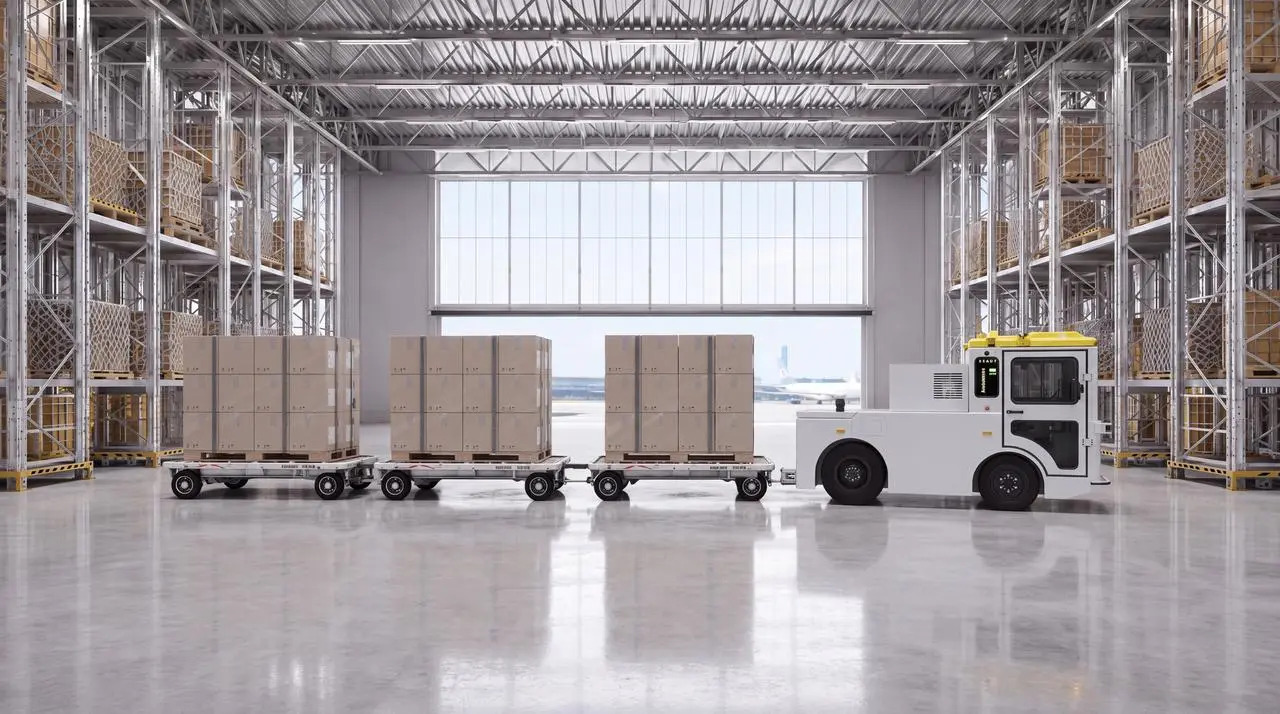
Westwell's
Q-Tractor is an autonomous electric tow tractor designed for applications including air cargo transport, as part of Westwell's wider
smart airport solutions. It carries out towing movements within the route and operating conditions defined for the project. Depending on the configuration, an optional automatic hitching and unhitching system can support the coupling and uncoupling of trailers.
The vehicle's work also needs to fit the terminal's dispatch process. Westwell's
ReeWell platform, supporting logistics scheduling and management. Depending on the project design and available integrations, it can help teams coordinate tasks and resources alongside vehicle operations. Airport teams retain responsibility for local safety rules, authorisations and escalation procedures.
Westwell's work with
Hong Kong Air Cargo Terminals Limited (Hactl) offers an example of a defined first use case. In its 2024 announcement, Westwell described testing the Q-Tractor P40 at Hactl's cargo terminal. Following testing and site-specific tuning, the planned initial task was to tow loaded import ULDs approximately one kilometre from an outdoor staging area to the SuperTerminal 1 intake deck, with progressive integration into the existing driver-operated fleet.
That initial scope identifies the route, cargo and handover points around which the teams can plan the work. It also shows why the connection to an existing fleet matters when introducing autonomous towing into an established cargo operation.
Building a reliable operation
A pilot route is a practical place to establish how an autonomous tractor will operate. As the scope grows, the same attention needs to extend to the cargo task: when it is ready, where it is received and how it fits alongside other work.
For airport teams, progress can be assessed through those operational details. Can a priority change be reflected in dispatch? Is there a clear response when a handover is delayed? Do operators know when to intervene? The answers help determine where autonomous towing can support the next stage of an airport's cargo operation.
FAQ
What can an autonomous tow tractor pilot establish?
A pilot can test a defined towing task, vehicle behaviour and selected safety procedures within an agreed operating area. The results can inform decisions about additional routes or tasks, subject to local review and approval. How do you scale an AGV fleet beyond a single route?
Scale the operating model alongside the route network. Define the task conditions, connect dispatch to cargo and flight status, establish mixed-traffic controls, record exceptions and prove that the team can recover the task queue before adding more vehicles or more complex work areas.
How can airport teams prepare to expand autonomous towing?
Start with a clearly defined task and handover. Record operational exceptions, establish who responds to them and assess how dispatch, vehicles and existing processes will work together before increasing the scope.
What should dispatch consider when cargo priorities change?
Relevant factors include flight and cargo status, the urgency of each handover, tractor availability and suitability, access to the route and the readiness of the receiving area. The appropriate response depends on local procedures and available information.
What happens if an autonomous towing task cannot proceed?
The response should follow the airport's approved procedures. Depending on the cause and the project design, the task may be paused, reassigned or handed to a person or conventional tractor. The remaining queue should also be reviewed.