


Products
Industries
LinkAige
About


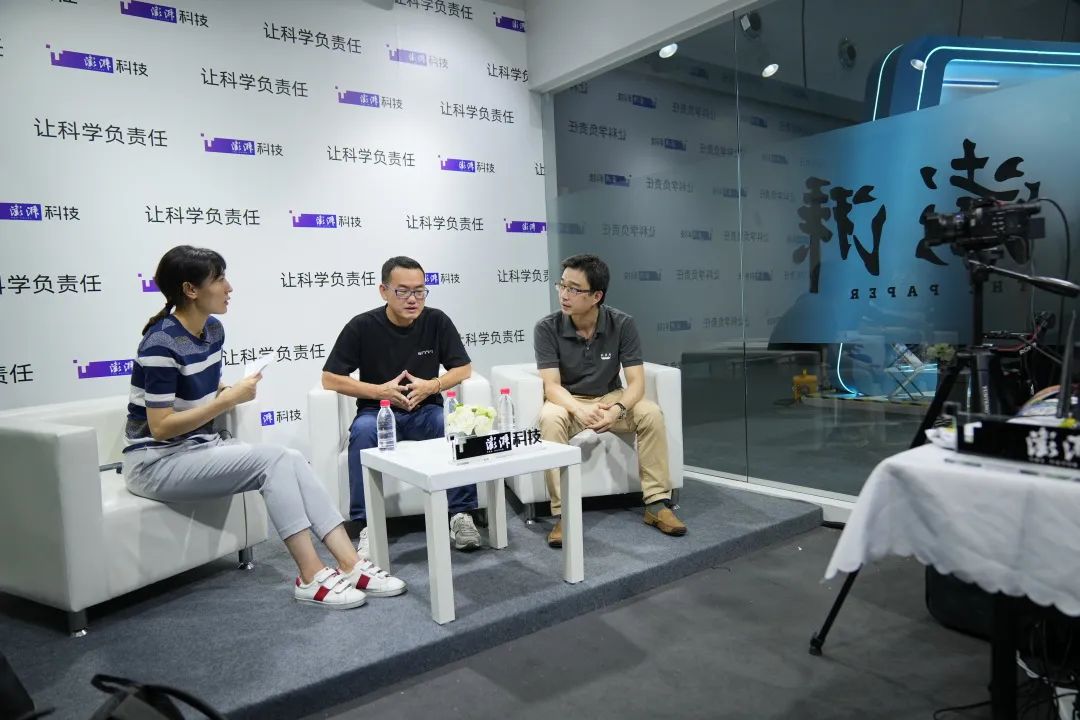
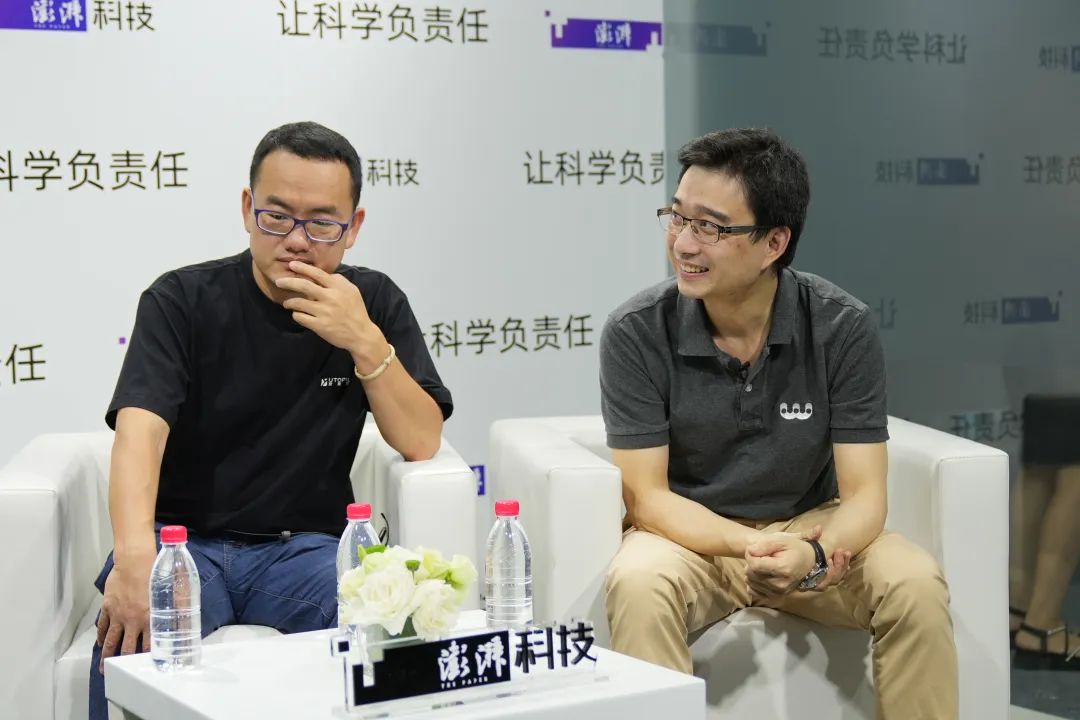
In September 2022, the program “WAIC 2022: Metaverse Chat Room – How Far Is Autonomous Driving from Us?” was broadcast on the WAIC cloud platform, The Paper live, and international hot news media simultaneously. Vincent, the CEO of Westwell, and Zhang Xianhong, the Chief Architect of UTOPILOT and Deputy General Manager of the Intelligent Driving Center, communicated with The Paper's metaverse observer on the application and development of autonomous driving.
Q1: How to Ensure the Safety of Autonomous Driving?
The fundamental requirement of customers is that products and systems can operate safely and stably in various scenarios. Since launching its first vehicle in 2018, Westwell has prioritized safety. We have designed vehicles with multiple redundant sensors and both proactive and passive devices to ensure safe operation. Moreover, recognizing that safety encompasses more than just the vehicle’s security and field testing, we have developed several Vehicle-to-Everything (V2X) products.
In addition, we have implemented equipment to gather container information. This forms part of our strategy to expand vehicle vision and prevent the occurrence of blind spots.
For process design, safety remains at the forefront. This includes considering how autonomous vehicles cooperate with other machines in production and operation, and how to involve human drivers in various processes. After years of experience and exploration, we have concluded that safety should be prioritized in all aspects, from on-board systems and process specifications to deployment and delivery specifications.
Q2: How to Control Enterprise Costs?
The foremost consideration is safety. Prior to the first shipment of vehicles to our customers in Thailand, a comprehensive 10-month test was conducted, resulting in a well-rounded test case. Once satisfied, customers will progress to the second stage, which involves considering actual commercial operation costs.
Customers must also weigh up the benefits after purchasing the vehicle, including details like Return on Investment (ROI), productivity, and the overall picture concerning deployment and maintenance. As of now, our overall operational efficiency surpasses that of manned driving fleets.
From the corporate perspective, cost control follows two stages. In the beginning, small-scale operations prioritize stability, which may necessitate investing in higher-quality equipment and personnel to control costs systematically through hardware. The second stage involves large-scale delivery, where we utilize more delivery tools to reduce the time and economic costs in the overall deployment and delivery process. Additionally, we optimize the complete system from a hardware perspective, for instance, via system software algorithms. By combining these two aspects, we can further control the overall costs from scale to delivery. Critically, our products are tools that generate benefits themselves. They offer value to our customers and improve overall profits, which may boost the customers' willingness to accept these costs to some extent.