


Products
Industries
LinkAige
About


Today’s logistics environment is under more pressure than ever. Ports, airports, warehouses and factories face rising demand, tighter delivery windows, labor shortages, and growing sustainability targets. Many operations still rely on manual dispatch, siloed spreadsheets, and one-off radio calls—practices that create inefficiencies, costly delays, and avoidable carbon emissions. This moment calls for logistics transformation: moving from manual to automation in logistics so operators can do more with less while cutting environmental impact.
Across industries, simple connectivity and smart planning are already delivering results. IoT-enabled logistics—from sensors on cranes to live truck-gate feeds—brings visibility; lightweight simulation and planning twins let you preview changes and prevent disruptions to yard activity in advance. Together, these tools underpin practical improvements such as real-time port routing, simulation-driven dispatching, and fleet routing optimization that reduce conflicts and idle time.
At the heart of this shift is the need for an integrated approach: a single port automation solution that unifies dispatching, monitoring, routing, and core management functions—such as a Fleet Management System and Yard Management System—into one integrated platform. Scalable beyond ports, the same framework powers airport cargo handling automation, warehouse AS/RS coordination, and AGV/forklift operations in manufacturing plants. In short, businesses need solutions that are easy to adopt, immediately useful, and aligned with sustainable operations—so they can transform daily complexity into predictable, efficient workflows.
Modern logistics is no longer just about moving goods—it’s about moving them smarter, faster, and greener. Technologies such as the Internet of Things (IoT), digital twin simulation, and advanced automation systems are giving ports, airports, warehouses, and factories new ways to improve visibility, control, and coordination across every stage of operations. Instead of reacting to problems after they happen, operators can now predict, plan, and prevent them.
The Internet of Things (IoT) connects equipment, vehicles, and infrastructure through smart sensors. In a port, this might mean knowing the real-time location and status of every container handler; in a warehouse, it could mean tracking AS/RS cycles and forklift movements minute by minute. IoT turns physical assets into data sources, enabling quicker decisions and fewer delays.
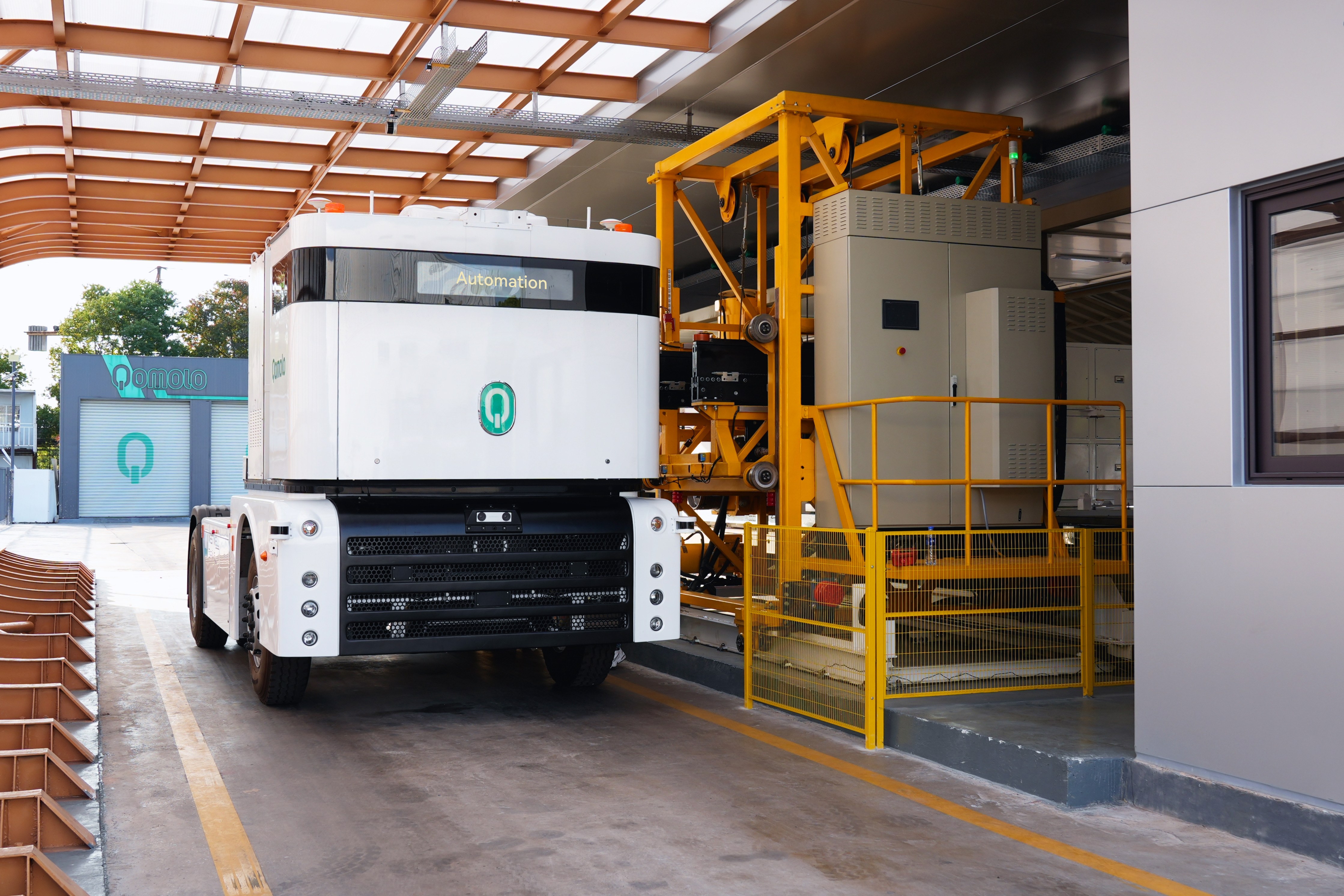
A Fleet Management System collects and organizes data from every vehicle—whether that’s autonomous trucks in a port, AGVs in a factory, or baggage handlers at an airport. By knowing exactly where each asset is, its condition, and its next task, operators can assign work more efficiently, reduce idle time, and extend equipment lifespan.
The Yard Management System (YMS) focuses on the flow of goods and equipment within a terminal or facility. It helps prevent bottlenecks, ensures the right resources are in the right place at the right time, and coordinates complex handovers—like containers moving from quay cranes to yard stacks or cargo transferring from aircraft to trucks.
Simulation allows operators to test multiple “what-if” scenarios before work begins, comparing KPIs like turnaround time and yard congestion. By selecting the best-performing plan and re-running simulations when conditions change, teams can keep operations predictable and efficient.
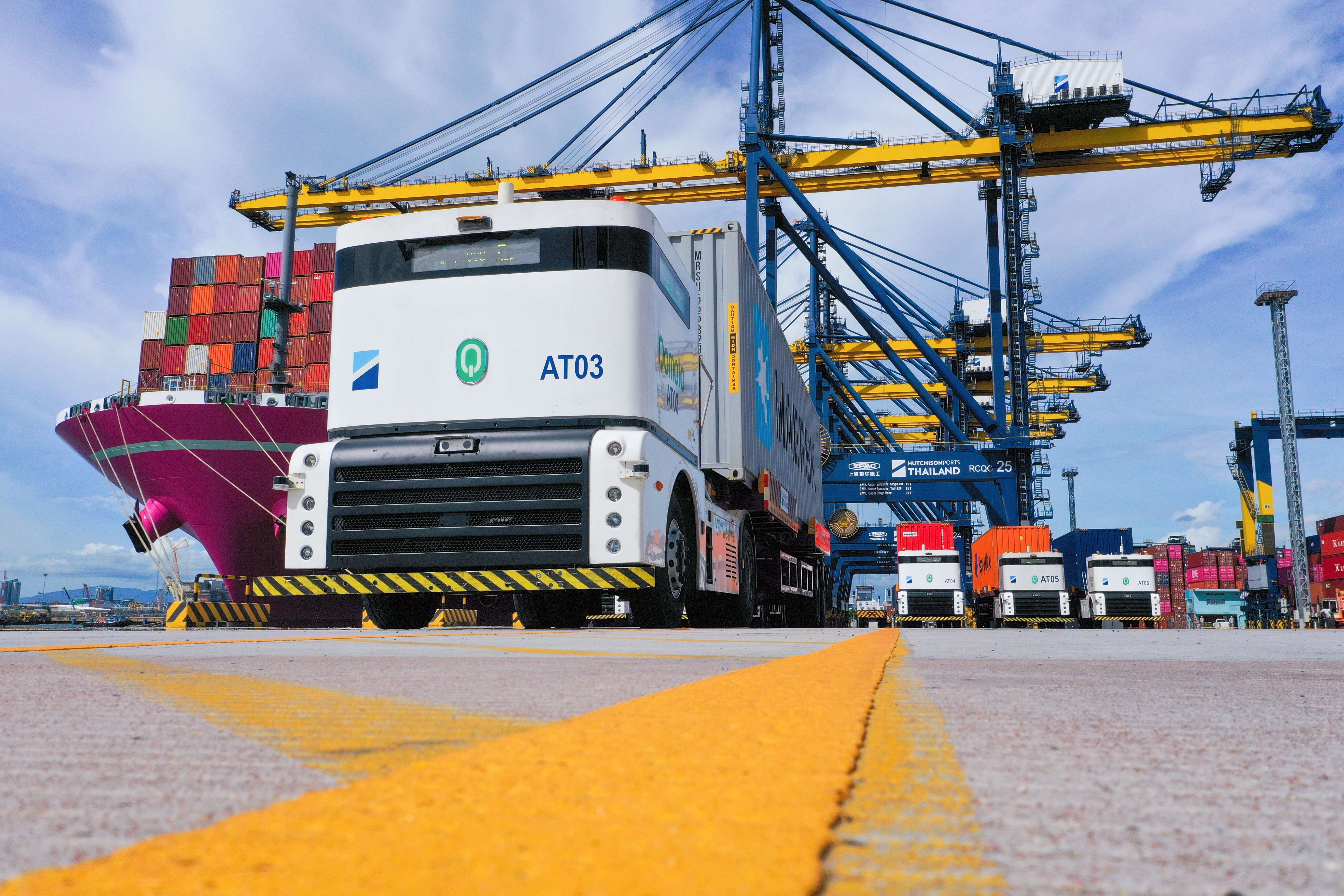
Shifting from traditional logistics strategies to modern, automated operations brings clear and measurable advantages across industries—from ports and airports to factories and warehouses. With a modular automation system that can be configured and deployed for different business types, operators can tailor solutions to their exact needs while still benefiting from shared core technologies.
Key benefits include:
Adopting logistics digitalization tools helps businesses turn complex, fast-moving operations into predictable, high-performance workflows—paving the way for a truly sustainable logistics solution.
Our intelligent equipment dispatching platform offers a modular suite tailored to different logistics scenarios—from seaports and airports to warehouses and factories. The key features include:
WellSimTec is a powerful simulation module that creates a complete virtual model of the port’s actual layout, including equipment types and quantities, and replicates the entire operation process. By integrating with systems like Terminal Operating Systems (TOS), Fleet Management Systems (FMS), Container Operating Systems (COS), and Gate Operating Systems (GOS), WellSimTec enables comprehensive pre-operation testing. This lets port operators optimize quay crane dispatch, container stacking, and truck routing before real-world implementation—minimizing conflicts and improving vessel turnaround times while aligning with sustainability goals.
The WellFMS module focuses on managing vehicle fleets such as AGVs, forklifts, and other handling equipment within warehouses and factories. By tracking real-time vehicle locations, task statuses, and maintenance needs, WellFMS enables smarter scheduling and dispatching that reduces idle time and extends equipment lifespan—helping facilities improve throughput and resource utilization.
WellYMS manages the flow of goods and equipment within busy yards, whether at container terminals, manufacturing plants, or distribution centers. It coordinates loading/unloading activities, gate control, and internal movements to prevent bottlenecks and ensure the right assets are in the right place at the right time. This centralized yard management improves operational visibility and drives faster turnaround.
Together, these modules form a cohesive, all-in-one automation platform that adapts to diverse operational scenarios through flexible deployment and configuration. Utilizing ReeWell by Westwell, businesses can transform fragmented manual processes into predictable, efficient, and sustainable workflows. By leveraging simulation-driven planning, real-time fleet and yard management, and intelligent traffic control, organizations can significantly improve asset utilization, reduce waste, speed up turnaround times, and advance their digital transformation journey toward greener logistics solutions.
As the logistics industry faces increasing pressure to improve efficiency, reduce environmental impact, and manage growing complexity, embracing automation and digitalization is no longer optional—it’s essential. Solutions like modular, configurable platforms that integrate simulation, fleet management, yard control, and intelligent dispatching empower businesses across ports, airports, warehouses, and factories to streamline operations and unlock new levels of performance.
By leveraging technologies such as digital twin simulation, IoT connectivity, and AI-driven traffic and fleet optimization, these platforms help transform traditional manual workflows into predictable, efficient, and sustainable logistics ecosystems. Whether it’s optimizing quay crane dispatch in seaports, managing airport cargo vehicles, or coordinating AGVs in factories, modern automation solutions deliver measurable benefits—including faster turnaround times, resource savings, and greener operations.
In today’s fast-evolving landscape, adopting intelligent, flexible logistics automation is the key to staying competitive and future-proofing your operations.
Talk to our experts to learn more about how to upgrade your port and logistics operations with cutting-edge automation solutions.