


Products
Industries
LinkAige
About

In the traditional logistics model, repetitive processes and disconnected information systems often lead to inefficiencies. Imagine a warehouse where employees manually sort and track items, relying on paper-based systems that can lead to delays or occasional errors. In transportation, tracking a shipment might involve multiple phone calls to drivers or freight companies, with updates like "we’re on XX road"—leaving shippers uncertain about real-time status. Meanwhile, distributors may struggle with stockouts or excess inventory because they lack visibility into real-time data from upstream suppliers.
These challenges were common in traditional logistics, where high communication costs and slow response times often led to operational bottlenecks. But what if logistics operations could become smoother and more streamlined? Picture a warehouse where automated systems handle routine tasks, while IoT sensors track shipments in real time, providing shippers with immediate updates on location and condition. AI-powered algorithms could predict demand patterns, enabling proactive inventory management to ensure that the right products reach the right places at the right time.
This vision of a more efficient, connected logistics system is the foundation of smart logistics—a shift from traditional methods to intelligent logistics systems that use automation and real-time data to create more responsive, cost-effective, and sustainable supply chains. At the heart of this transformation lies Logistics 4.0, the next evolution in logistics that is redefining how supply chains operate in the modern world.
Logistics 4.0 is the digital evolution of the logistics industry, marking a shift from traditional practices to a connected, intelligent supply chain. It’s not just about automation—Logistics 4.0 combines Industry 4.0 technologies such as the Internet of Things (IoT), Artificial Intelligence (AI), robotics, cloud computing, and big data analytics to create an ecosystem where logistics operations are fully integrated, adaptive, and intelligent.
At its core, Logistics 4.0 aims to build a smart supply chain that can automatically perceive, analyze, decide, and execute actions in real time. This means that logistics networks are capable of adjusting to shifts in demand, responding rapidly to unforeseen disruptions (like natural disasters or geopolitical events), and ensuring the efficient movement of goods, data, and resources across the entire supply chain. Through the power of dynamic optimization algorithms, Logistics 4.0 creates a highly flexible, resilient, and efficient logistics system that is constantly evolving to meet the needs of today’s fast-paced global economy.
Logistics 4.0 integrates the entire supply chain—from suppliers to end customers—into a seamless, data-driven ecosystem. By breaking down traditional information silos, it ensures all parties have real-time access to data, reducing delays and errors. This connectivity enables rapid responses to market changes and fosters efficient collaboration across all links in the supply chain.
Unlike the traditional "plan-driven" logistics model, Logistics 4.0 shifts to a demand-driven approach. Using real-time data collection and analysis, it allows for proactive, predictive logistics rather than reactive execution. This ensures more accurate inventory management, reduces stockouts, and boosts overall inventory turnover.
Logistics 4.0 goes beyond optimizing individual functions like warehousing or transportation costs. It looks at the entire supply chain ecosystem. By using technologies like digital twins, companies can simulate and optimize every step of the supply chain—from supplier factories to final delivery—increasing efficiency and reducing costs. This holistic approach ensures a more agile and responsive supply chain.
Sustainability is a cornerstone of Logistics 4.0. By leveraging AI-powered routing, energy-efficient warehousing systems, and big data analytics, logistics operations can be optimized to reduce both costs and environmental impact. Whether it’s minimizing fuel consumption or reducing packaging waste, Logistics 4.0 promotes more resource-efficient and eco-friendly practices.
Logistics 4.0 transforms logistics from a cost center into a value creation engine. By sharing and analyzing logistics data, companies can generate new business insights that benefit the entire supply chain.
Logistics 4.0 boasts strong adaptability, allowing customized deployment of technical solutions based on the operational characteristics and needs of different scenarios to address core pain points in various fields. Below are its key applications in three critical logistics hubs—logistics parks, air cargo terminals, and ports—demonstrating how technology empowers the transformation of specific scenarios.
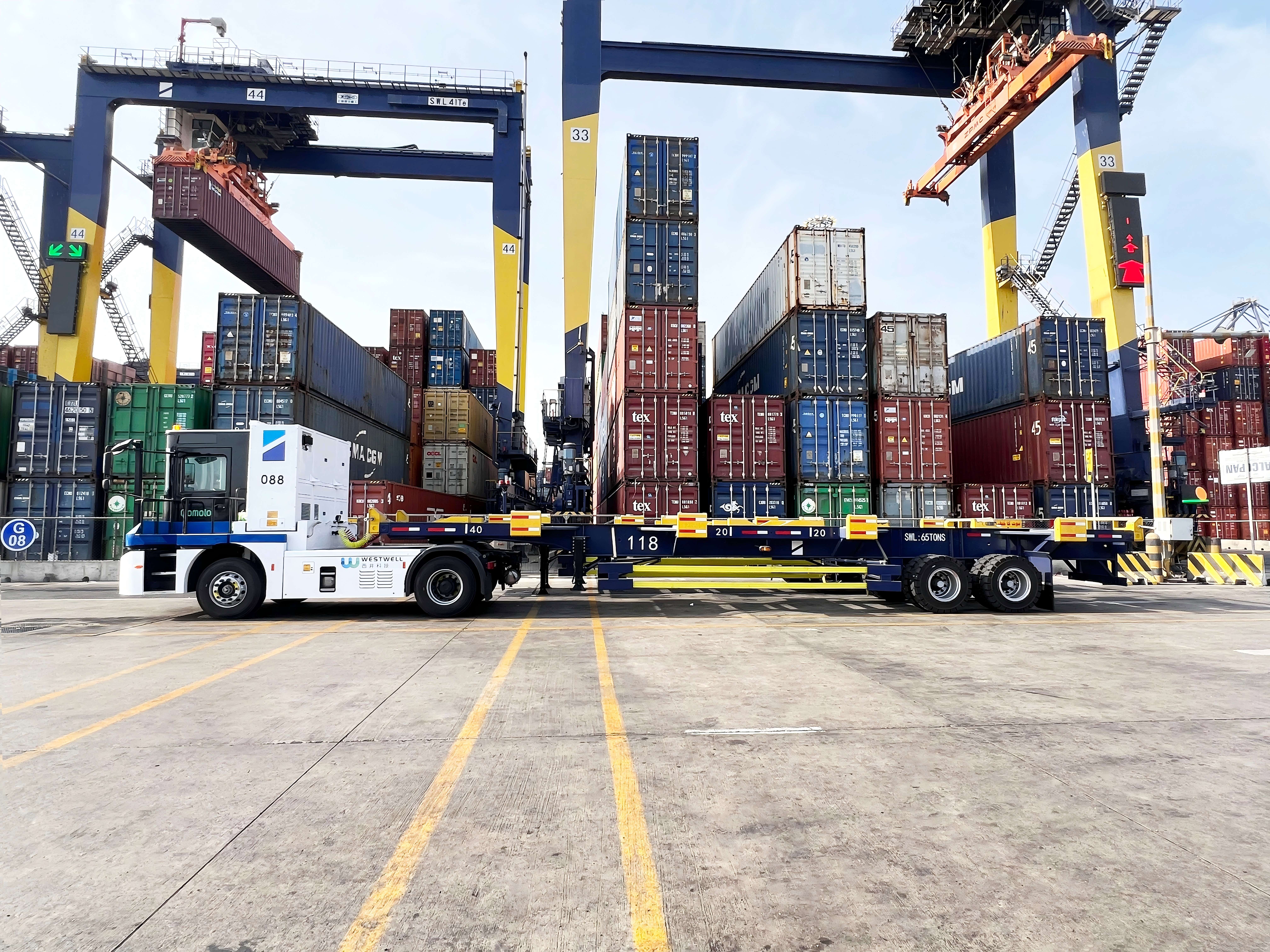
In ports and maritime logistics, Logistics 4.0 focuses on creating smarter, safer, and more efficient terminal operations through real-time data, intelligent transportation systems, and logistics automation. Modern ports need to manage high container volumes, unpredictable schedules, and complex yard movements — all while maintaining speed and safety. By integrating IoT logistics, AI-driven routing, and connected vehicle systems, ports can optimize container flow, reduce congestion, and improve overall operational visibility.
A leading example of this transformation is the Port of Felixstowe, where Westwell’s autonomous terminal tractors operate inside the terminal as part of a next-generation smart logistics model. These battery-powered vehicles use advanced sensing technology and cloud-based coordination to navigate mixed-traffic environments safely and efficiently. Supported by an intelligent battery-swap station, the autonomous fleet runs with minimal downtime, contributing to both operational resilience and sustainability.
The Port of Felixstowe deployment shows how intelligent logistics solutions can enhance port efficiency without major infrastructure changes — a practical demonstration of how Logistics 4.0 elevates port operations from traditional workflows to a more responsive, connected, and eco-friendly smart supply chain.
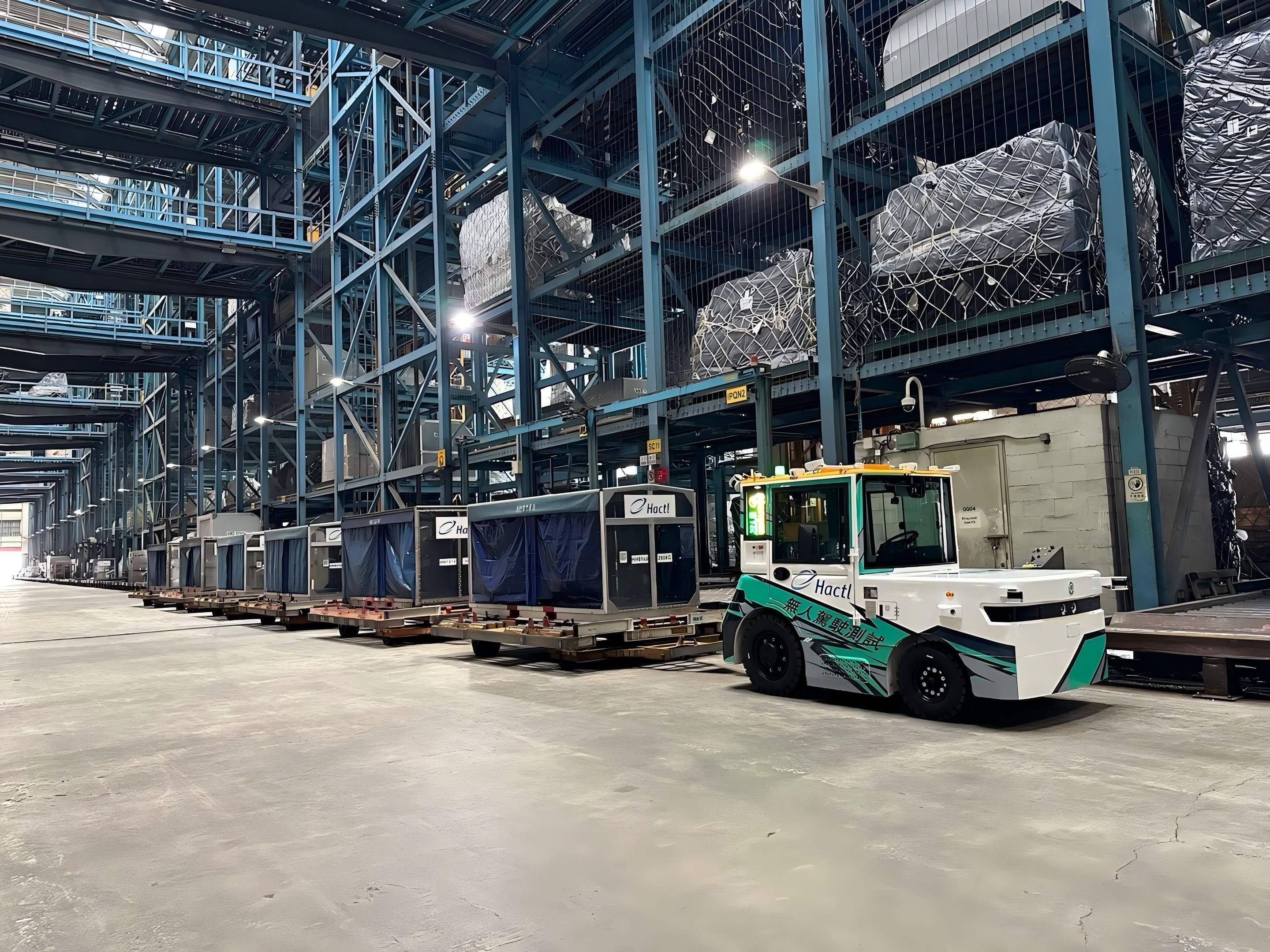
In air cargo terminals, Logistics 4.0 improves the efficiency and safety of ground operations, especially in baggage handling and ground handling equipment (GSE) transport. By integrating IoT logistics, AI-driven scheduling, and autonomous vehicles, airports can coordinate cargo and equipment movements in real time, reducing delays and improving operational efficiency.
At Hong Kong International Airport (HKIA), Westwell planned to deploy autonomous cargo tractors vehicles to handle repetitive tasks. These intelligent vehicles use advanced sensors and cloud-based management systems to navigate safely between air cargo terminals, and sorting areas. The system optimizes routes and schedules, ensuring fast, reliable, and environmentally friendly ground operations. This HKIA example illustrates how intelligent logistics technologies bring Logistics 4.0 principles to life in air cargo terminals, creating a smart, connected, and highly responsive supply chain.
Logistics parks are evolving from simple storage and distribution centers into fully integrated, collaborative hubs. With Logistics 4.0, these parks leverage IoT logistics, AI in logistics, and automation to coordinate activities across warehouses, transport operators, and service providers. Real-time data allows managers to optimize inventory flows, schedule vehicles efficiently, and reduce congestion, while smart warehouses and robotics in logistics handle routine tasks with precision.
By connecting all stakeholders and enabling demand-driven operations, logistics parks become more responsive to market changes, improve overall supply chain efficiency, and create a foundation for a smart supply chain that is collaborative, flexible, and sustainable.
No. Automation and robotics are tools, but Logistics 4.0 is about the digital transformation of the entire supply chain, including data integration, real-time visibility, analytics, collaboration, and sustainability.
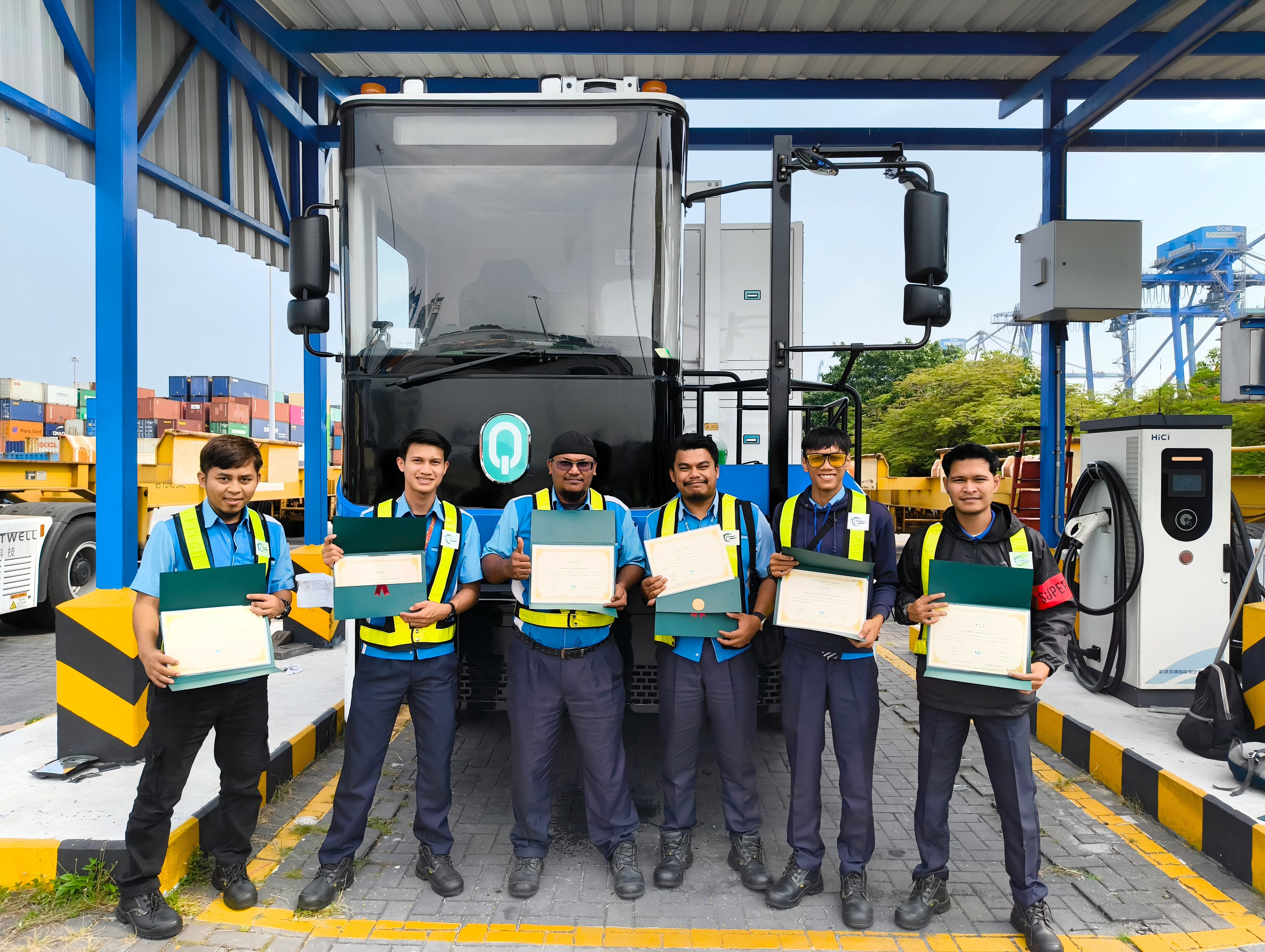
No. Logistics 4.0 reduces repetitive tasks but shifts workers to higher-value roles. For example, a truck driver may transition to operating or overseeing autonomous or electric vehicles, while warehouse staff may move into system monitoring, data analysis, or logistics planning. Upskilling helps employees take on more strategic and impactful roles.
Not necessarily. While early adoption of Logistics 4.0 required significant investment, modern cloud-based and SaaS logistics tools have made it more accessible for SMEs. The bigger challenge for smaller companies is adapting operational processes and upskilling employees to use these technologies effectively, rather than the financial investment itself.
Logistics 4.0 can significantly enhance supply chain resilience, but it cannot completely avoid the impact of global emergencies such as pandemics, geopolitical conflicts, and extreme weather. Its core value lies in helping enterprises respond to risks faster and reduce losses through technical means.
Beyond technology, Logistics 4.0 transforms logistics into a value creation function, enhances sustainability, and reshapes human roles—moving workers from repetitive tasks to strategic, analytical, and monitoring positions. From ports and air cargo terminals to logistics parks, it drives operational efficiency, predictive planning, and resilient supply chains.
While challenges remain—such as SME adoption, data security, and skills transformation—the benefits of cost reduction, improved customer satisfaction, and sustainable operations make Logistics 4.0 a strategic necessity. Enterprises that embrace this change are better positioned to thrive in a dynamic, competitive global supply chain, while those that resist risk falling behind.

