


Products
Industries
LinkAige
About


Logistics parks have long served as critical hubs for warehousing, transportation, and distribution activities. As global supply chains become increasingly complex, however, traditional logistics models are struggling to keep pace with rising consumer expectations, fluctuating market demands, and the need for faster, more transparent operations.
To bridge this gap, logistics parks are embracing automation and advanced digital solutions. From real-time data exchange to automated warehouse systems, technology is reshaping how goods move, are stored, and are managed across the supply chain. These changes are not simply upgrades—they mark a fundamental shift in how logistics networks operate.
Smart logistics parks, equipped with integrated digital platforms and intelligent automation, are redefining warehouse operations and transportation processes. By connecting systems such as automated storage, digital scheduling, intelligent gate management, and fleet coordination, these next-generation facilities are transforming traditional logistics environments into highly efficient, data-driven ecosystems.
Smart logistics parks are the next evolution of how the industry thinks about logistics parks—moving from large physical spaces to fully connected, digitally coordinated ecosystems. At their core, these parks bring logistics automation and data-driven decision-making into everyday operations, turning traditionally manual workflows into streamlined, predictable processes.
Instead of managing storage, truck flow, and labor in silos, smart logistics parks tie everything together through an integrated logistics system. This includes automated handling equipment, real-time visibility tools, and warehouse management automation that reduces routine work and keeps goods moving efficiently.
From an operator’s point of view, the value becomes obvious quickly: smoother inventory management, fewer bottlenecks at the gate, more reliable fleet dispatching, and better alignment with overall supply chain optimization efforts. These parks are designed to handle higher volumes without the growing pains that often hit older facilities.
AI also plays a bigger role than ever. The rise of AI in logistics means smarter scheduling, more accurate forecasting, and faster responses when the unexpected happens—something every warehouse manager and yard planner wishes they had ten years ago.
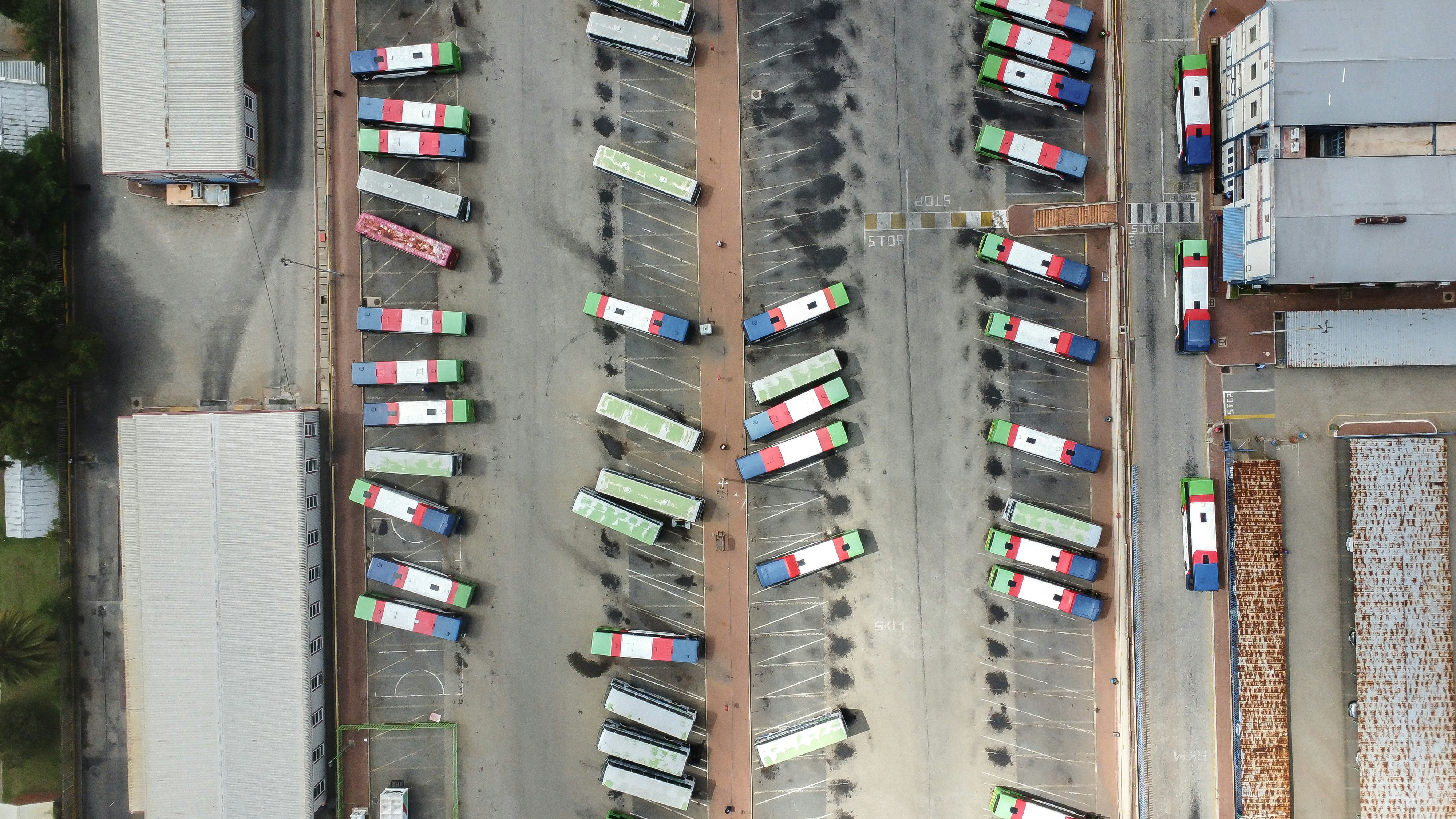
(Photo by Jolame Chirwa on Unsplash)
In simple terms, smart logistics parks take the daily chaos of warehouse and yard operations and replace it with connected, coordinated, real-time control. That’s why many operators now see them as the foundation for the Benefits of Smart Logistics Parks we talk about across the industry today.
AS/RS is often the backbone of logistics automation inside the warehouse. These systems handle repetitive storage and retrieval tasks with precision, helping operators reduce manual touches and improve overall warehouse flow. For many teams, this is where the biggest gains in warehouse management automation start to show up. It’s also a key driver behind How AS/RS Improve Logistics Efficiency across high-volume facilities.
Gate operations are often the first bottleneck in a warehouse, especially in older facilities. Smart logistics parks solve this with digital gate management — automated check-ins, real-time queue monitoring, and scheduled arrivals.
By connecting the gates to the wider logistics system, operators gain visibility into truck arrivals, dock availability, and inbound cargo. This reduces congestion, prevents delays caused by infrastructure constraints, and helps meet regulatory requirements in Europe and the Middle East. Smooth gate operations also support better fleet dispatching, as trucks can be prioritized and sequenced to match warehouse readiness, improving overall efficiency.
Managing a fleet in a busy logistics park can be unpredictable unless it’s coordinated digitally. Modern parks use digital scheduling platforms to orchestrate fleet dispatching, trailer allocation, and route planning. These tools help operators respond to last-minute changes, optimize loading sequences, and reduce dwell times at docks. By combining real-time data with AI in logistics, teams can anticipate traffic patterns and warehouse workload, which is a clear example of How Digital Scheduling Reduces Costs. For logistics parks in regions with high infrastructure constraints or complex regulatory compliance, this ensures shipments move efficiently without bottlenecks, missed deadlines, or unnecessary penalties.
In a smart logistics park, it’s not enough to just store and move goods — you need to see them in real time. Asset and inventory visibility systems, powered by RFID, sensors, and IoT devices, connect the entire logistics system. Combined with inventory management software, they give operators immediate insight into stock locations, handling status, and movement history.
This visibility reduces errors, misplacements, and delays, while also supporting supply chain optimization upstream and downstream. For example, managers can plan warehouse operations or fleet dispatching with confidence because they know exactly what’s on hand and where it is, which is especially valuable in Europe and the Middle East where compliance and reporting obligations are critical.
Many smart logistics parks now incorporate AI in logistics to turn data into actionable insights. AI helps with demand forecasting, labor planning, dock scheduling, and workflow orchestration. Rather than reacting to problems, operators can anticipate disruptions, adjust schedules, and allocate resources proactively.
This is a major differentiator in modern operations, particularly for parks dealing with regulatory complexity, infrastructure limitations, and sustainability mandates. With AI-enabled systems feeding into the warehouse management automation and logistics system, operators can maintain high efficiency, reduce errors, and meet both operational and compliance goals.
High-volume e-commerce warehouses, especially in Europe, often face seasonal spikes, shipment delays, and complex inventory flows that can disrupt order fulfillment. In a smart logistics park, AS/RS automates storage and retrieval, improving throughput and ensuring goods move quickly and accurately.
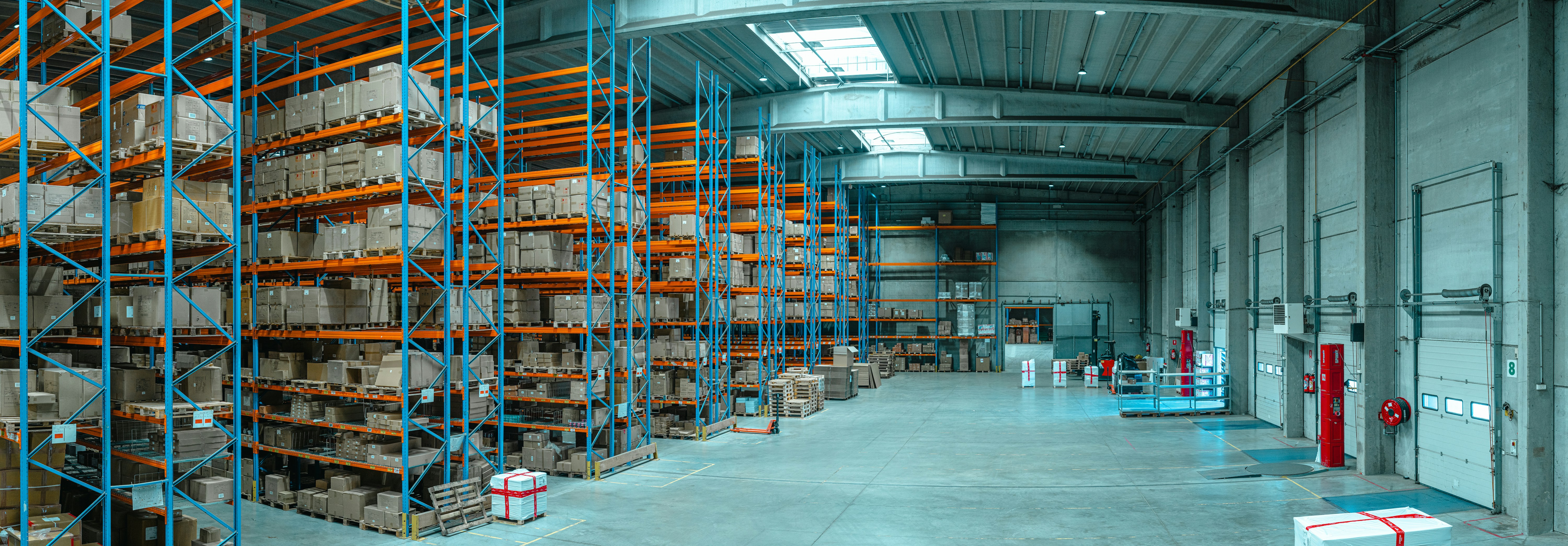
(Photo by Jacques Dillies on Unsplash)
Intelligent gate management combined with digital fleet dispatching reduces dock congestion and optimizes truck flow, ensuring that shipments move smoothly through the facility. Real-time inventory management provides accurate stock visibility and helps maintain compliance with regulations, minimizing errors and delays.
The outcome is faster order fulfillment, fewer mistakes, and improved operational reliability — a critical advantage during Europe’s peak e-commerce seasons, when speed and accuracy are essential to meeting customer expectations.
In the Middle East, cross-docking facilities face the challenge of quickly transferring goods from inbound to outbound trucks, often under extreme heat and high traffic congestion. Smart logistics parks tackle this with AI-driven scheduling for docks and trailers, anticipating arrivals and allocating resources efficiently.
Automated workflow monitoring and coordination through an integrated logistics system ensures that shipments move without delays, even when multiple carriers and high volumes are involved.
Retail warehouses in Europe, particularly those handling seasonal or perishable items, must keep inventory accurate and deliver goods on time to multiple store locations. Smart logistics parks implement advanced asset and inventory visibility systems to track stock across the facility, while digital scheduling and fleet coordination align deliveries with demand.
By automating these processes, operators achieve higher throughput, better inventory control, and maintain compliance with sustainability mandates, such as energy efficiency and emissions reporting. The result is a retail supply chain that is more responsive, reliable, and aligned with both operational and regulatory requirements.
Modern logistics parks are transforming warehouse and distribution operations through the integration of automation, AI, and real-time tracking. These systems streamline storage, scheduling, and fleet coordination, while improving inventory visibility and overall operational efficiency.
Across scenarios such as e-commerce fulfillment, cross-docking, and retail supply chains, digital solutions help logistics parks handle peak demand, reduce errors, and maintain compliance. By connecting every part of the supply chain, these parks turn complex operations into predictable, resilient, and scalable workflows.
In essence, logistics parks are evolving from simple storage spaces into intelligent hubs that enhance speed, accuracy, and overall supply chain performance.