


In the pharmaceutical supply chain, time is the ultimate enemy of thermal stability. Today’s pharma cold chain is no longer just about transporting shelf-stable drugs—it underpins the global movement of biologics, mRNA vaccines, and personalized cell therapies, where even a single degree of deviation can destroy product viability. The scale and risk are rapidly intensifying: studies show that up to 20% of temperature-sensitive pharmaceutical products are damaged during transport, while the industry loses an estimated $35 billion annually due to temperature excursions. At the same time, global demand for cold chain storage and temperature-controlled logistics is accelerating, driven by the rise of biologics and ultra-cold therapies, with the broader cold chain market projected to grow at double-digit rates over the next decade.
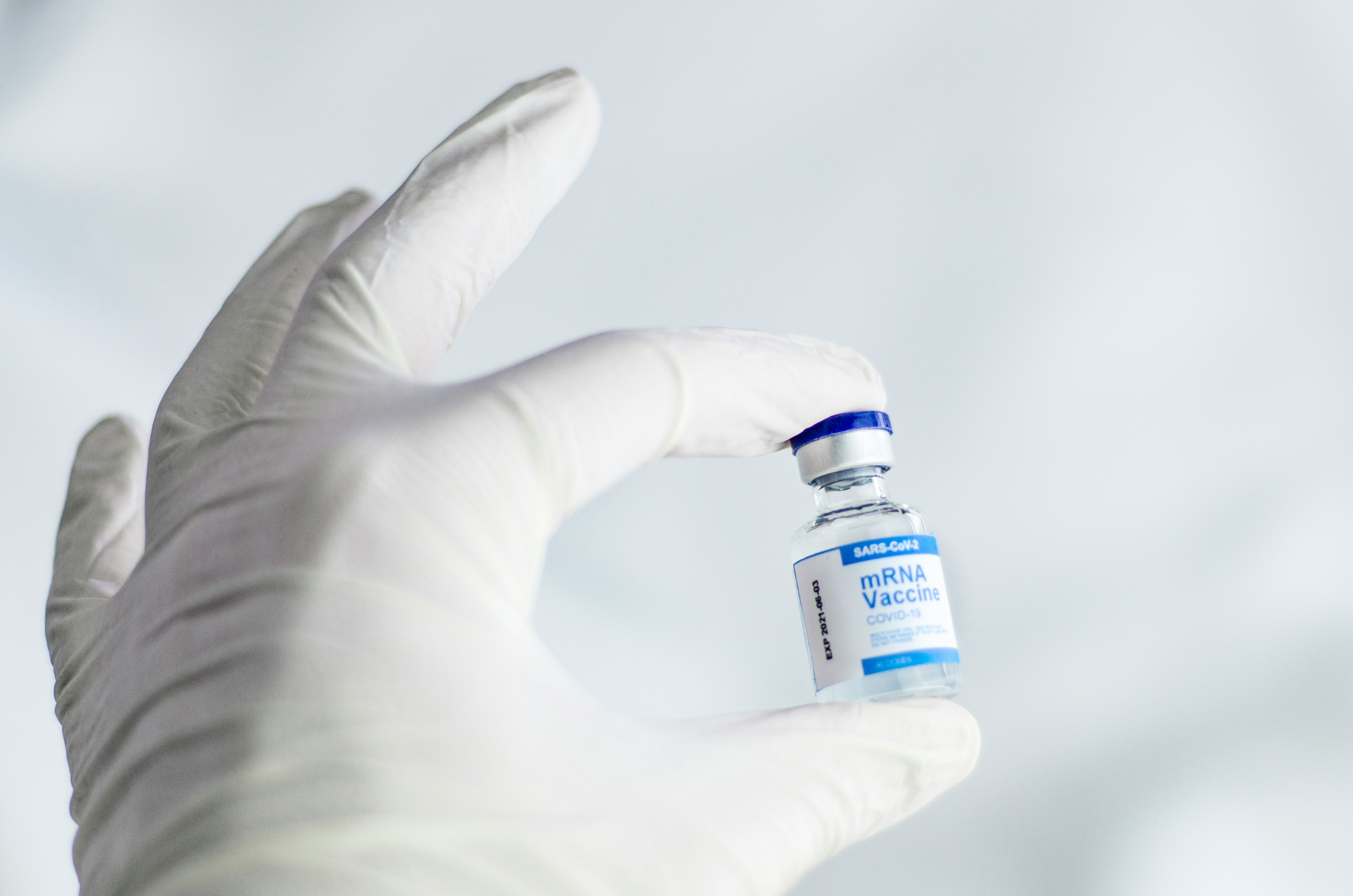
Photo by Spencer Davis on Unsplash
Yet despite this growth, systemic fragility remains—as many as 25% of vaccines may arrive degraded due to cold chain failures. With pharma cold chain logistics increasingly dependent on complex, multi-node networks—often involving air freight handoffs across continents—manual processes and fragmented visibility are no longer sufficient to ensure GDP compliance and product integrity.
To maintain speed, compliance, and product integrity, the industry must evolve. Today, automation—powered by AI in supply chain systems, real-time IoT monitoring, and intelligent ACS/RS infrastructure—is becoming the backbone of resilient pharma cold chain operations. Because when lives are on the line, seconds don’t just matter—they define outcomes.
The global pharma cold chain is a high-stakes, multi-node network centered on air freight. As ultra-cold therapies—requiring temperatures as low as -196°C—and strict GDP compliance become the industry norm, the margin for error has vanished. In this sensitive ecosystem, risk isn't a single event; it accumulates at every handoff. The most critical vulnerabilities lie in ground operations, where manual delays and fragmented coordination can instantly compromise the integrity of life-saving shipments.
On the airport tarmac, temperature-controlled shipments are exposed to extreme external conditions immediately after unloading. This short transition window is one of the most fragile points in pharma cold chain logistics.
Even brief delays can have irreversible consequences. Research shows that up to 20% of temperature-sensitive healthcare products are damaged during transport due to cold chain failures, with exposure during handling and transfer being a key contributor.
Under traditional manual tow tractor operations, dispatch delays, routing inefficiencies, and handover gaps can significantly extend transfer times—turning minutes of exposure into a critical risk for temperature-controlled logistics integrity.
At customs and port checkpoints, unpredictability introduces a different kind of risk—one driven by time rather than environment.
Temperature-controlled packaging is designed with a finite stability window (stability budget). However, clearance delays—ranging from hours to even days—can exceed this limit, especially in long-haul air freight scenarios.
The systemic impact is significant: studies indicate that around 25% of vaccines may reach their destination in a degraded state due to improper shipping and delays .
In such cases, even if handling conditions are technically compliant, the inability to control time makes temperature-controlled logistics inherently vulnerable.
Inside warehouse environments and cold chain storage facilities, risk becomes less visible—but no less critical.
Unlike dramatic exposure events, warehouse-related failures are often cumulative:
-Frequent door openings
-Manual forklift operations
-Delays in scanning and warehousing
-Human-induced thermal fluctuations
This risk is clearly recognized in regulatory guidance. According to the U.S. Centers for Disease Control and Prevention (CDC), any exposure to temperatures outside the recommended range—defined as a “temperature excursion”—can reduce vaccine potency and may render products unusable, requiring immediate evaluation and potential disposal.
Because many temperature-sensitive pharmaceuticals must remain within strict ranges (commonly 2°C to 8°C, or lower for advanced therapies), even short or repeated deviations during storage and handling can degrade stability and effectiveness.
In modern pharma cold chain logistics—especially with the rise of biologics and ultra-cold chain logistics—these small, repeated disruptions are often more dangerous than single-point failures. Without precise environmental control and minimized human intervention, cold chain storage becomes a source of hidden instability rather than protection.
Automation solutions—from intelligent warehouse systems and seamless tarmac operations to end-to-end multimodal visibility—are transforming these challenges into manageable processes. By integrating precise handling, real-time monitoring, and optimized transport workflows, these technologies reduce human error, maintain strict temperature compliance, and create a more resilient, predictable supply chain.
Modern pharma cold chain warehouses face constant pressure to maintain precise temperature control while handling high volumes of time-sensitive products. Fully automated storage and retrieval systems (AS/RS), such as Westwell’s KEWE ACS/RS solution, orchestrate the entire material flow—from inbound goods, storage, and sorting, to outbound dispatch—without reliance on manual handling.
A typical setup combines automated cranes, stacker cranes, shuttle vehicles, and high-density container racks. Cranes ensure accurate loading and positioning for smooth handoff to transport vehicles; stacker cranes navigate high shelves to store and retrieve containers quickly; shuttles move goods between operational zones, optimizing internal logistics; and high-density racks allocate dedicated slots for each container, eliminating the risk of temperature exposure through manual box handling.
Bridging the warehouse and transport interface, Westwell Well-Bot intelligent logistics robots tackle the “last-meter” challenge. Using autonomous navigation and precision positioning, Well-Bot transfers containers from conveyors to outdoor vehicles, including loading onto boarding bridges, with zero human intervention. The result is a seamless warehouse-to-vehicle workflow that is faster, safer, and more temperature-stable.
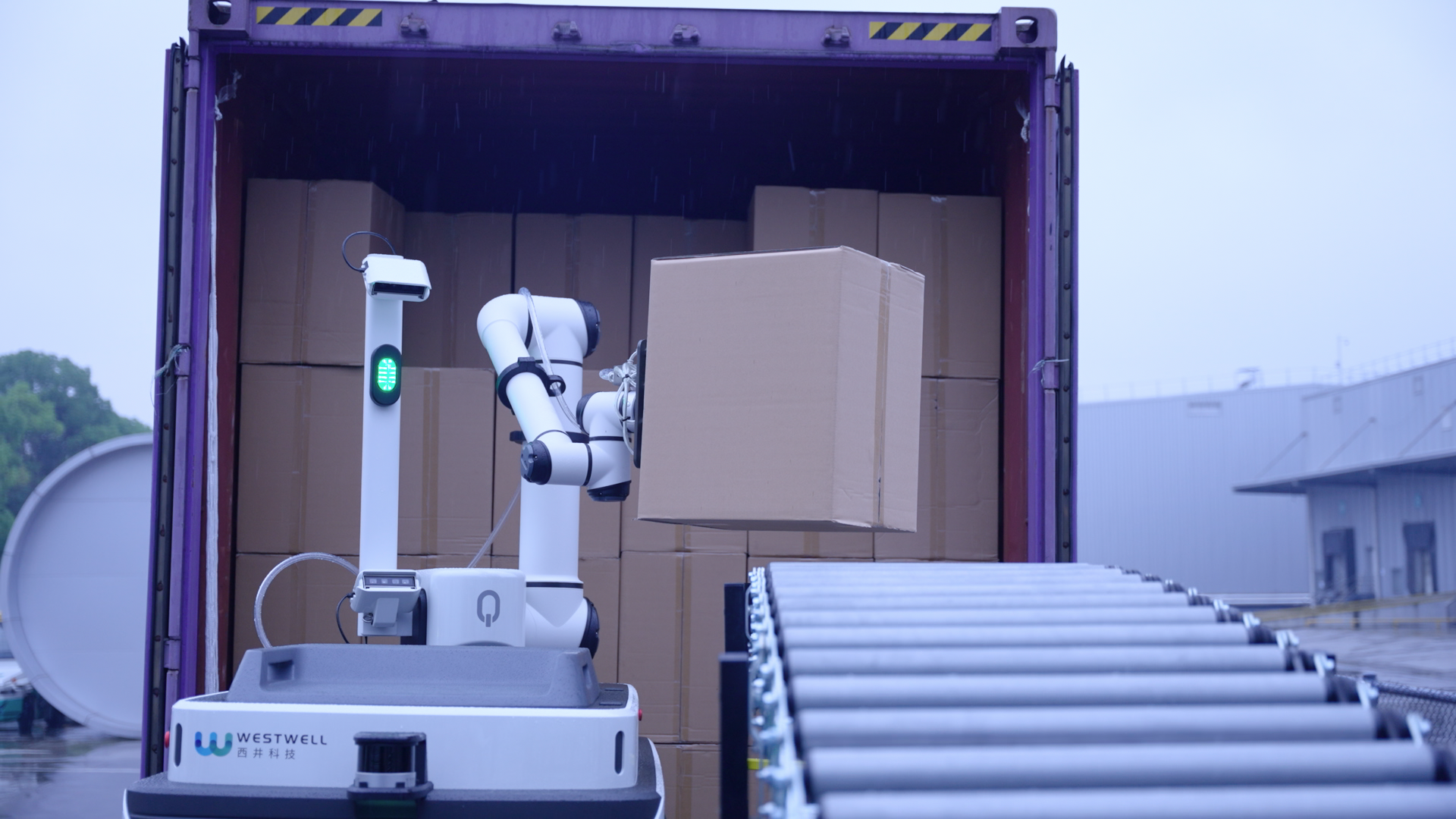
Integrated control and data-tracking systems provide real-time monitoring, proactive alerts, and full traceability across the warehouse. Coupled with energy-efficient electric drives and recovery technologies, the solution supports sustainable operations while maintaining high accuracy and reliability.
Air cargo handling is one of the most sensitive points in the pharmaceutical cold chain. Traditional transfer methods can expose temperature-sensitive shipments to delays and environmental fluctuations, which can compromise product integrity.
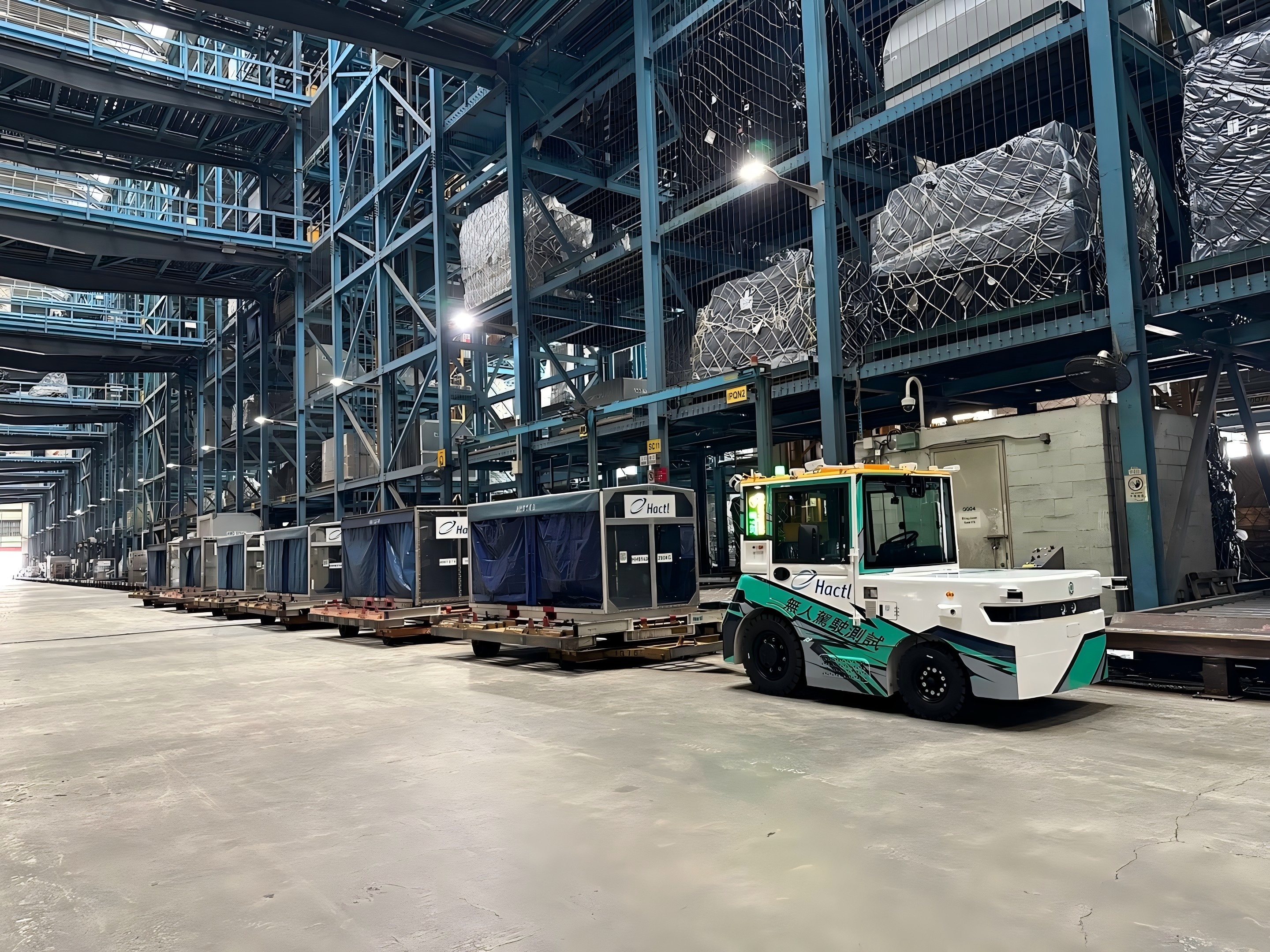
Automated air cargo solutions, including autonomous transfer vehicles, help address these risks by streamlining container movement between tarmac, warehouse interfaces and more. Vehicles like Westwell L4-capable automated tractors (Q-Tractors) optimize transfer routes, reduce idle times, and maintain consistent temperature control throughout the process.
A key capability is automated coupling and decoupling, which enhances operational consistency in trailer or ULD transfers. While manual hitching remains a critical and skilled part of ground handling operations, it can introduce variability in timing and process execution. Automation enables precise, repeatable connections between tractors and loads, helping to standardize transfer workflows, reduce turnaround time, and limit unnecessary exposure of temperature-sensitive cargo during critical handling stages.
Integrated monitoring and control enable real-time tracking and proactive alerts, allowing logistics teams to benchmark performance against leading providers of temperature-controlled pharmaceutical transport and continuously improve operational resilience.
Managing temperature-sensitive pharmaceuticals across multiple transport modes demands not just tracking, but actionable insight. Platforms like Westwell’s Loopo Smart Logistics Platform provide transparent, SKU-level visibility across the supply chain, showing where each container is, its current status, and estimated arrival times.
Beyond tracking, the system integrates cost, carbon, and timing data to support dynamic route planning, inventory adjustments, and optimized supply-demand matching. This transforms operational data into strategic guidance, enabling a more resilient, efficient, and environmentally responsible cold chain.
The global pharmaceutical cold chain is expected to grow substantially in the coming decade as demand for temperature‑sensitive biologics, vaccines, and advanced therapies continues to rise. The biopharmaceutical cold chain third‑party logistics market alone is projected to more than double in size by 2033, with a compound annual growth rate (CAGR) of over 10% driven by expanding global distribution of complex biologics and stringent regulatory controls on storage and transport conditions. At the same time, the cold chain logistics packaging sector — essential to maintaining product integrity — is forecast to grow steadily through the late 2030s as investment increases in advanced insulation, active temperature control, and reusable thermal solutions.
In parallel, evolving technology and regulatory expectations are reshaping how temperature‑controlled supply chains operate. The market for cold chain monitoring — a key proxy for real‑time visibility and control systems — is projected to expand significantly over the next decade, with some forecasts estimating growth from around USD 35 billion in 2024 to over USD 119 billion by 2030, at a compound annual growth rate (CAGR) of about 23%, driven by rising global trade in pharmaceuticals and stricter safety requirements. This trend reflects increasing adoption of continuous environmental monitoring, data analytics, and connected sensor technologies to ensure product integrity and compliance.
These technologies not only support compliance with frameworks such as Good Distribution Practice (GDP) and other regulatory standards but also help logistics teams move from reactive responses to proactive risk management. By enabling real‑time condition monitoring and predictive analysis, modern systems reduce spoilage, improve operational planning across multimodal transport, and strengthen overall supply chain resilience in an increasingly complex logistical landscape.
The pharmaceutical cold chain will only grow in complexity as therapies become more temperature-sensitive and global distribution expands. Automation, from advanced warehouse systems to intelligent airside handling and end-to-end visibility platforms, provides the tools to reduce human error, shorten transfer times, and maintain precise environmental conditions. By integrating real-time monitoring, predictive analytics, and intelligent logistics orchestration, supply chains can shift from reactive troubleshooting to proactive resilience—ensuring that medicines reach patients safely, on time, and sustainably.
.jpg?x-oss-process=image/format,webp/quality,q_100&v=1.0.0)


