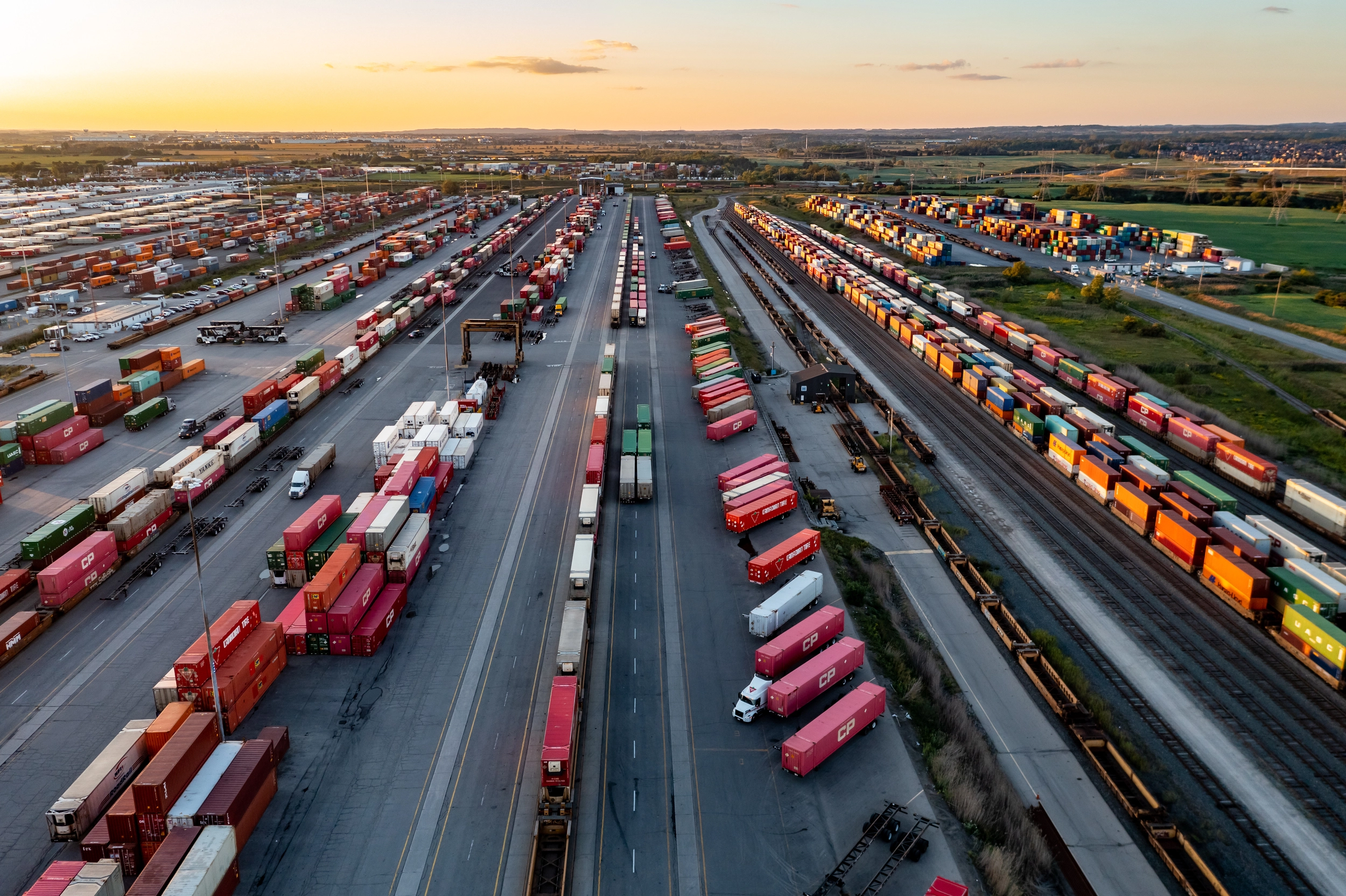


The air cargo logistics industry is undergoing rapid growth, fueled by the boom in e-commerce. As of January 2025, global Cargo Tonne-Kilometres (CTK) have risen by 3.2% year-on-year, marking 18 consecutive months of growth, according to IATA. With this surge in demand, traditional air cargo terminals are under increasing pressure to adapt. Outdated infrastructure and manual processes can no longer meet the need for enhanced efficiency, scalability, and sustainability.
To address these challenges, fully integrated automation systems are becoming critical. These systems combine technologies like AI-powered dispatch, autonomous vehicles, robotic sorting, and automated storage into a seamless workflow, optimizing every stage of air cargo transportation and operations. The future of air cargo terminals will be smart, connected, and efficient, ensuring real-time tracking, improved cargo handling and transport, and streamlined processes.
One leading automation solutions provider driving this change is Westwell, which utilizes AI and big data to create comprehensive end-to-end automation solutions. These solutions help optimize operations in both in-airport cargo terminals and off-airport warehouses, enabling businesses to enhance efficiency, reduce costs, and achieve their sustainability goals.
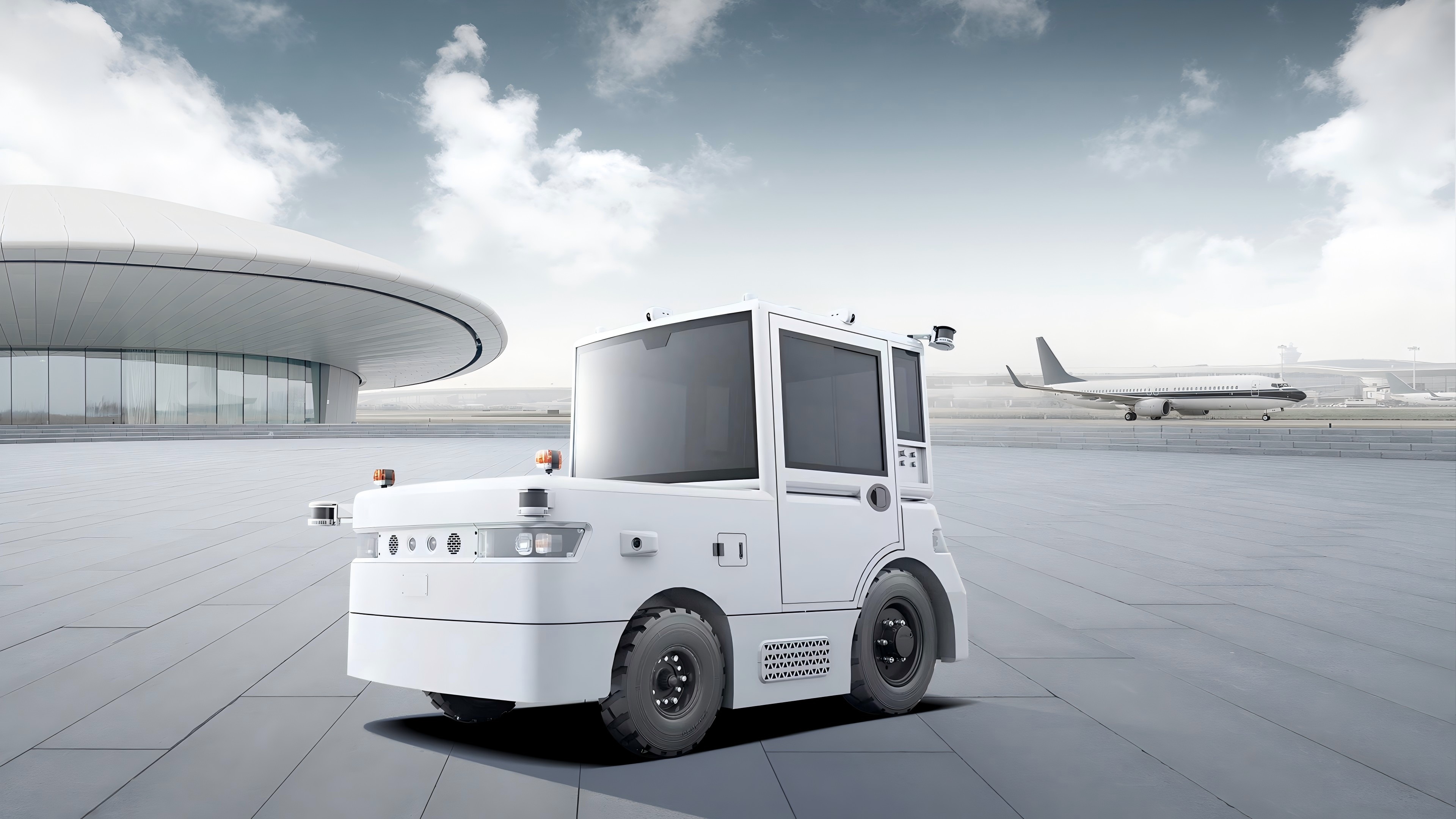
Air cargo facilities act as crucial links between land and air logistics, playing a key role in the timely acceptance, handling, and preparation of shipments for air transport. These facilities must operate within tight schedules while meeting stringent safety, security, and quality standards, ensuring that all cargo is processed efficiently and accurately before it takes to the skies. Despite their importance, However, air cargo operations face significant challenges that hinder their ability to fully embrace automation and streamline workflows.
In-airport cargo terminals are designed to manage high volumes of shipments with fast turnover, supporting both hub operations and local import/export activities. Unlike off-airport warehouses, which often prioritize storage and flexible logistics, in-airport facilities focus on rapid cargo movement to align with flight schedules and minimize delays.
These facilities face unique operational challenges:
As a result, while automation offers significant efficiency gains, in-airport cargo terminals often experience slower adoption rates compared to off-airport sites, which are generally more adaptable and easier to modify for automated processes.
Off-airport cargo facilities often offer greater space and operational flexibility than in-airport terminals, making them attractive for automation adoption. However, they also face unique challenges that can slow the integration of advanced systems:
Despite these challenges, off-airport cargo facilities are generally more adaptable than in-airport terminals, allowing logistics operators to experiment with automation, scale operations, and optimize workflows for air freight transport logistics and cargo handling.
Ensuring resilient air cargo operations requires addressing multiple factors, including extreme weather events, workforce readiness, and facility planning. Terminals must be designed to withstand conditions such as heatwaves, storms, or flooding, which can disrupt cargo flows, damage goods, and delay shipments. This climate resilience is essential for maintaining reliable operations under increasingly volatile weather patterns.
At the same time, workforce considerations play a crucial role. While automation can reduce manual tasks, it also requires personnel trained to manage and maintain advanced systems, ensuring smooth operations without overburdening staff.
Finally, facility planning must balance current operational needs with future growth and adaptability, enabling terminals to integrate automation technologies efficiently. Together, these factors contribute to a robust, resilient air cargo operation that can handle environmental, staffing, and structural challenges while maintaining efficiency and service quality.
Fully integrated air cargo automation systems turn operational challenges into opportunities by combining advanced technologies into a seamless workflow. These technologies work together to optimize cargo handling, improve efficiency, and ensure reliable air freight operations. Key components include:
At the core of this automation system is AI scheduling, which helps terminals streamline cargo movement, anticipate operational bottlenecks, and predict maintenance needs before issue arise. Advanced machine learning and deep learning models now allow air cargo operators to forecase disruptions, make smarter scheduling decisions, and enhance overall operational reliability. By combining AI with real-time data, facilities can maintain smoother cargo handling, improve throughput, and respond proactively to changing conditons.
Automated cargo sorting and handling systems are crucial for maintaining efficient and accurate cargo flow. Shipments are organized by size, weight, and destination, minimizing human error and accelerating processing times. For more complex tasks—such as handling fragile or irregularly shaped packages—robotic arms and collaborative robots (cobots) work alongside human operators to ensure precision and safety.
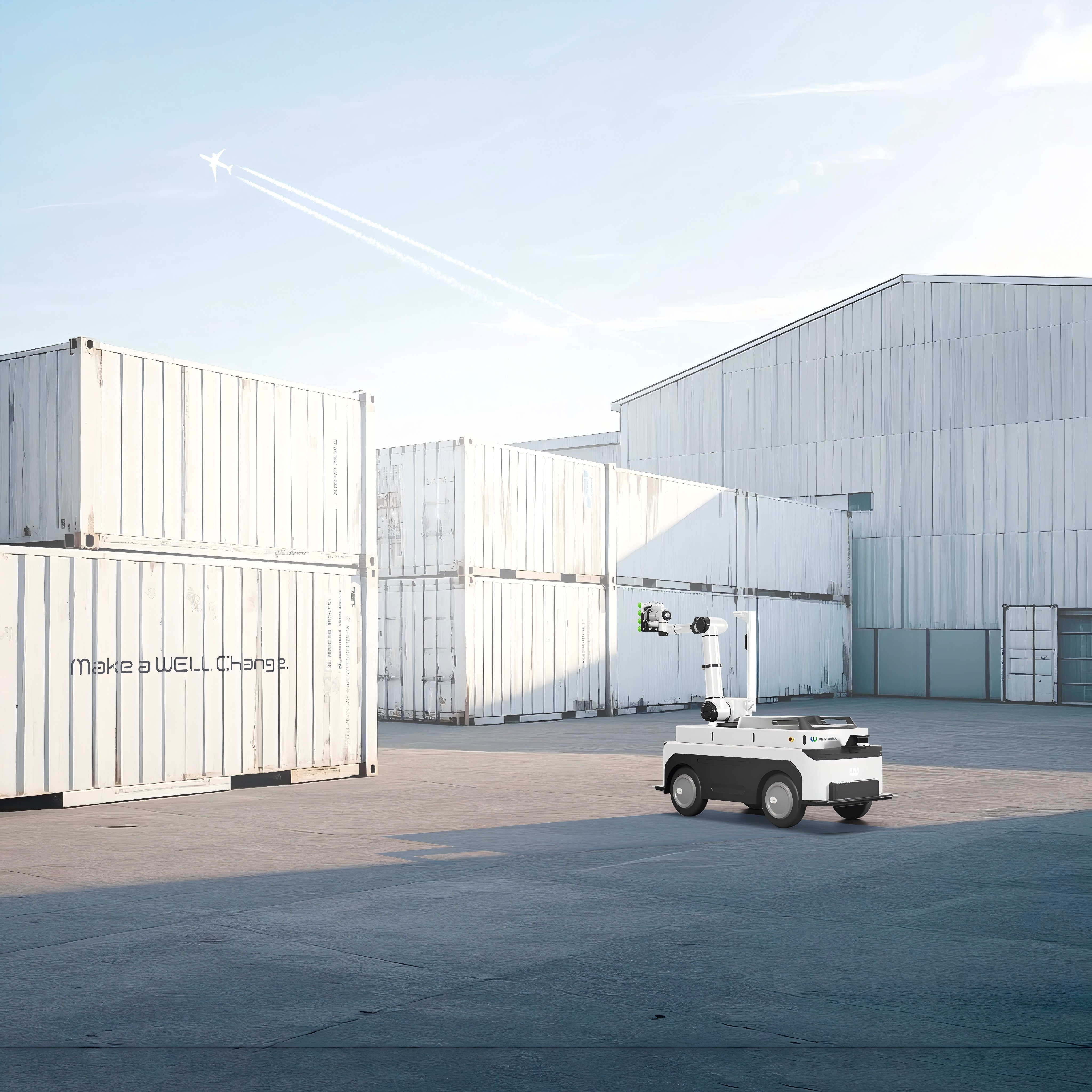
These systems also coordinate with other terminal equipment, including AGVs, fully autonomous electric trucks, and fully autonomous electric tow tractors, to move cargo seamlessly between storage areas, loading docks, and aircraft. By integrating with the broader automation network, sorting modules maintain continuous operations, reduce delays, and support high-throughput environments, making them indispensable for modern air cargo terminals.
Central to fully integrated air cargo automation is real-time data coordination, which ensures all systems—from sorting modules to autonomous transport—communicate seamlessly. By connecting equipment, storage, and loading areas through cloud-based platforms, operators gain full visibility into cargo movement, enabling smarter decision-making and rapid response across air cargo logistics services.
Integrated GSE (Ground Support Equipment) management systems allow terminals to monitor trucks, tow tractors, and AGVs, optimizing their utilization and scheduling maintenance proactively. This continuous data flow supports predictive maintenance, accurate cargo tracking, and overall operational resilience, ensuring that every shipment moves efficiently through the terminal without delays or bottlenecks.
While specific implementation details vary by airport, fully integrated air cargo automation systems are increasingly being adopted worldwide. Leading terminals, including those highlighted in industry reports like HKG Airport’s automation initiatives, showcase how autonomous electric tow tractor can streamline operations, reduce turnaround times, and improve throughput.
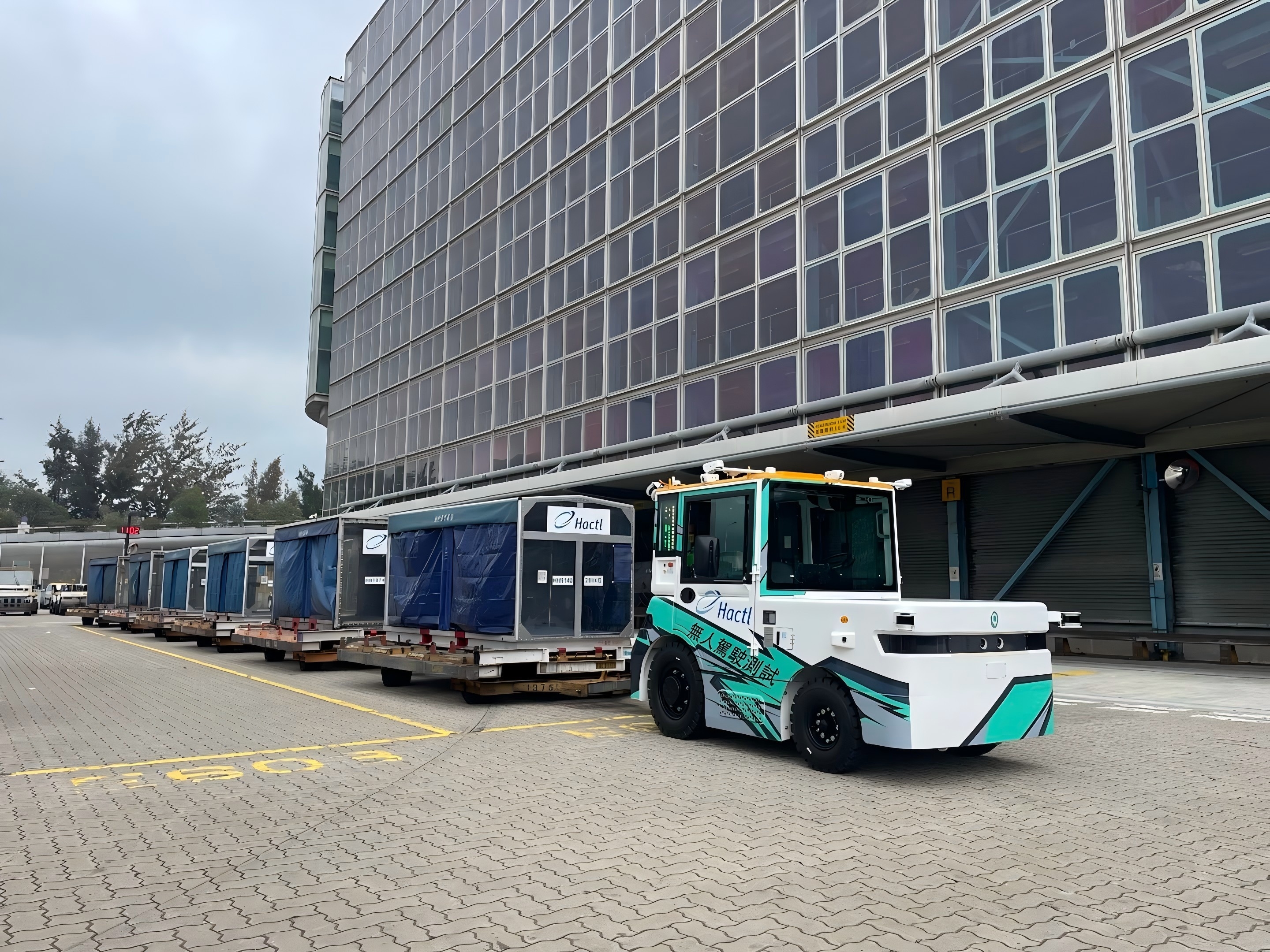
Beyond individual facilities, the widespread adoption of automation has a ripple effect across global air freight networks. Integrated systems enhance cargo handling efficiency and overall logistics efficiency, enable better coordination between ground and air transport, and allow operators to respond more quickly to disruptions or demand spikes. As more airports and logistics hubs embrace these technologies, air cargo terminal transport becomes faster, more reliable, and increasingly resilient to operational challenges, benefiting both carriers and shippers worldwide.
The air cargo industry is entering a new era where automation and integrated systems redefine how terminals operate. Beyond improving throughput and accuracy, fully automated solutions empower airports, logistics providers and freight forwarders to respond swiftly to changing demand, enhance resilience against disruptions, and optimize resource use.
For stakeholders in air freight and air cargo transport, embracing these innovations is a strategic imperative. By investing in integrated automation systems, operators can unlock long-term operational efficiency, strengthen supply chain reliability, and position themselves at the forefront of a rapidly evolving global logistics landscape. The future belongs to terminals that combine technology, data, and smart processes set the standard for modern air cargo logistics, creating a seamless, sustainable, and agile air freight logistics services.