


Products
Industries
LinkAige
About


As autonomous driving moves from science fiction to reality, it’s no longer just a display of cutting-edge technology — it’s a driving force transforming transportation and logistics. From road safety and operational efficiency to smart logistics, autonomous driving technology is reshaping how freight trucks and commercial vehicles operate. To define this evolution, the Society of Automotive Engineers (SAE) introduced the SAE levels of autonomy (L0–L5) — a global framework that explains how autonomous driving works and the stages of vehicle automation.
This guide breaks down each level with a focus on unmanned logistics vehicles, highlighting real-world examples such as L4 autonomous driving and unmanned mining trucks that are driving the future of self-driving freight transport.
SAE International (Society of Automotive Engineers) is a global authority in aviation, automotive, and commercial vehicle engineering. Its SAE J3016 standard defines six levels of driving automation (L0–L5), offering a clear framework for autonomous driving technology, vehicle testing, regulations, and insurance responsibilities. This benchmark eliminates confusion and forms the foundation for discussions on self-driving trucks and autonomous vehicle deployment.
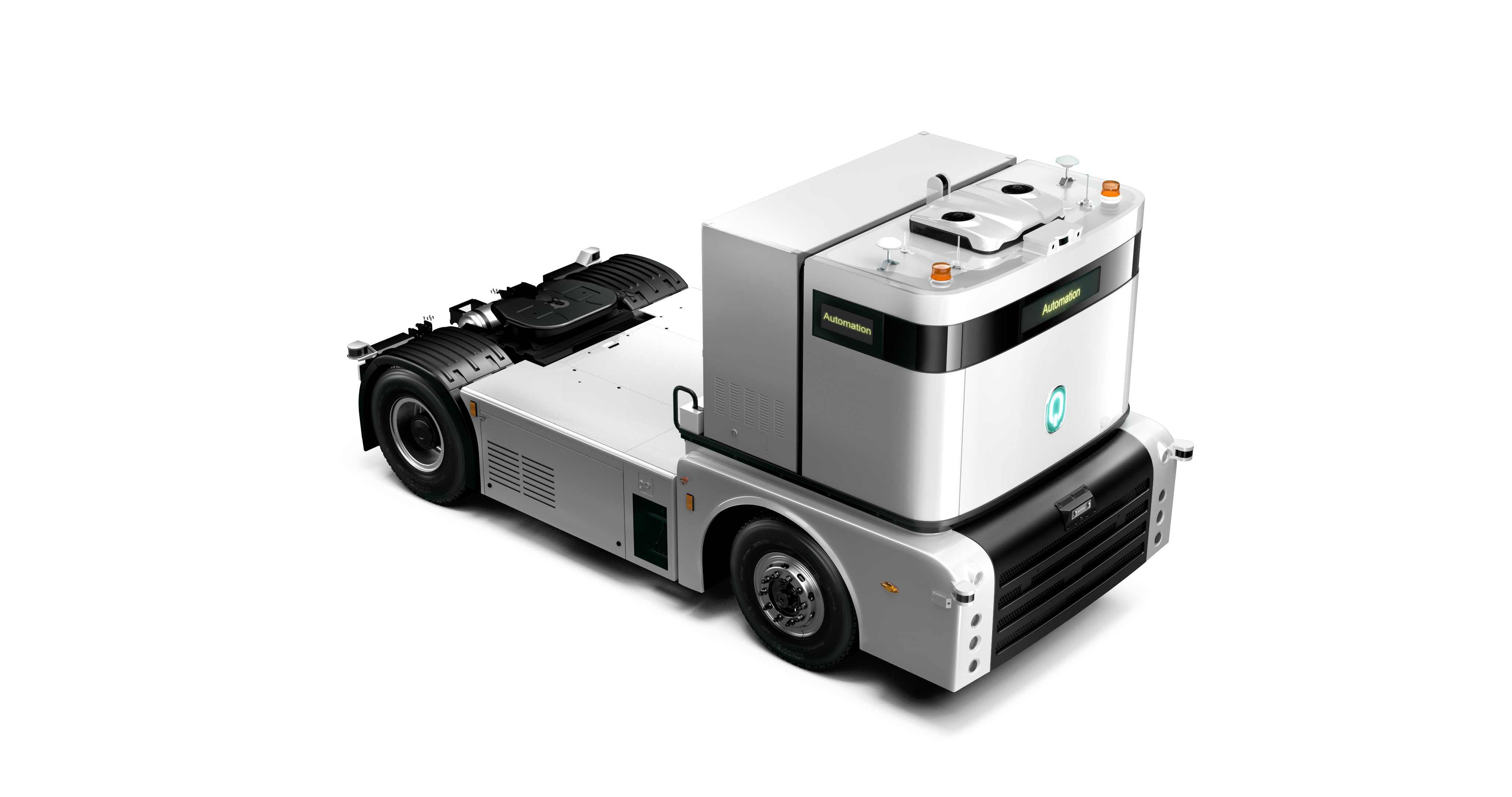
When it comes to autonomous driving, L4 technology represents the most practical stage for commercial deployment — especially in the trucking and logistics sectors. Unlike passenger cars that must navigate unpredictable city traffic, self-driving trucks often operate in closed or semi-closed environments such as ports, mines, and logistics hubs, where routes are fixed, traffic is predictable, and operating conditions are controlled.
These characteristics make L4 trucks highly reliable and efficient in real-world operations. Beyond just enabling autonomous operation, they deliver tangible business value across three key areas: operational efficiency and cost savings, seamless integration into smart logistics networks, and data-driven performance optimization.
Autonomous heavy-duty trucks can operate around the clock, eliminating downtime caused by driver breaks and keeping deliveries on schedule. When coordinated under a Fleet Management System (FMS), trucks can follow optimized, regular schedules, reducing idle time and ensuring resources are used efficiently.
Westwell’s Q-Truck, the smart unmanned commercial vehicle, leverages the Westwell PowerOnair system to perform fully unmanned battery swaps in just five minutes, keeping vehicles in operation longer and minimizing operational delays.
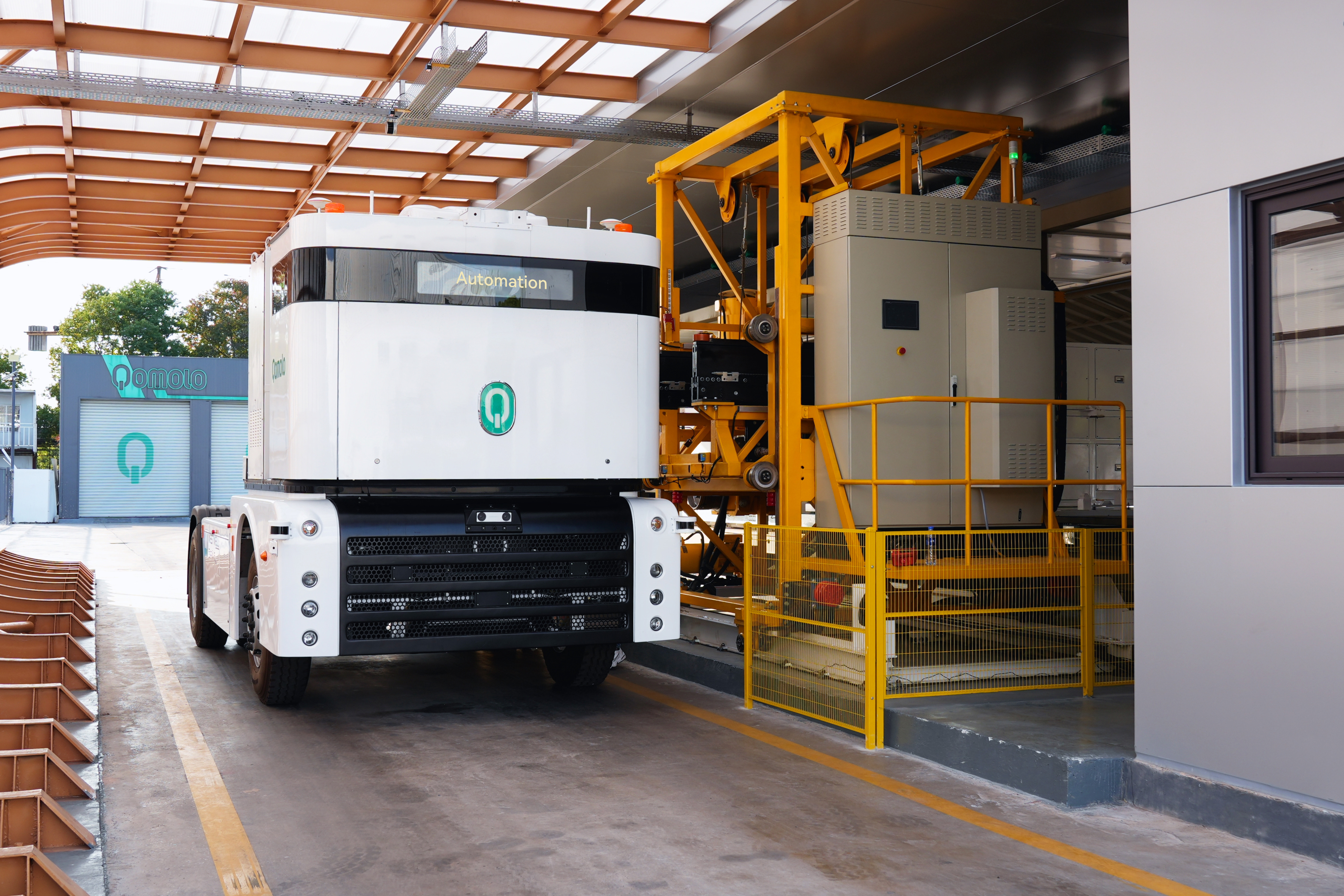
By combining continuous operation, FMS-coordinated scheduling, and rapid battery swapping, fleets can carry out more deliveries with fewer trucks, cutting operational costs while maximizing productivity.
Autonomous trucks deliver their full value when they become part of a smart logistics ecosystem. Connected to digital logistics platforms, both manned and unmanned trucks act as intelligent nodes, enabling real-time monitoring, automated dispatch, and optimized routing across the supply chain.
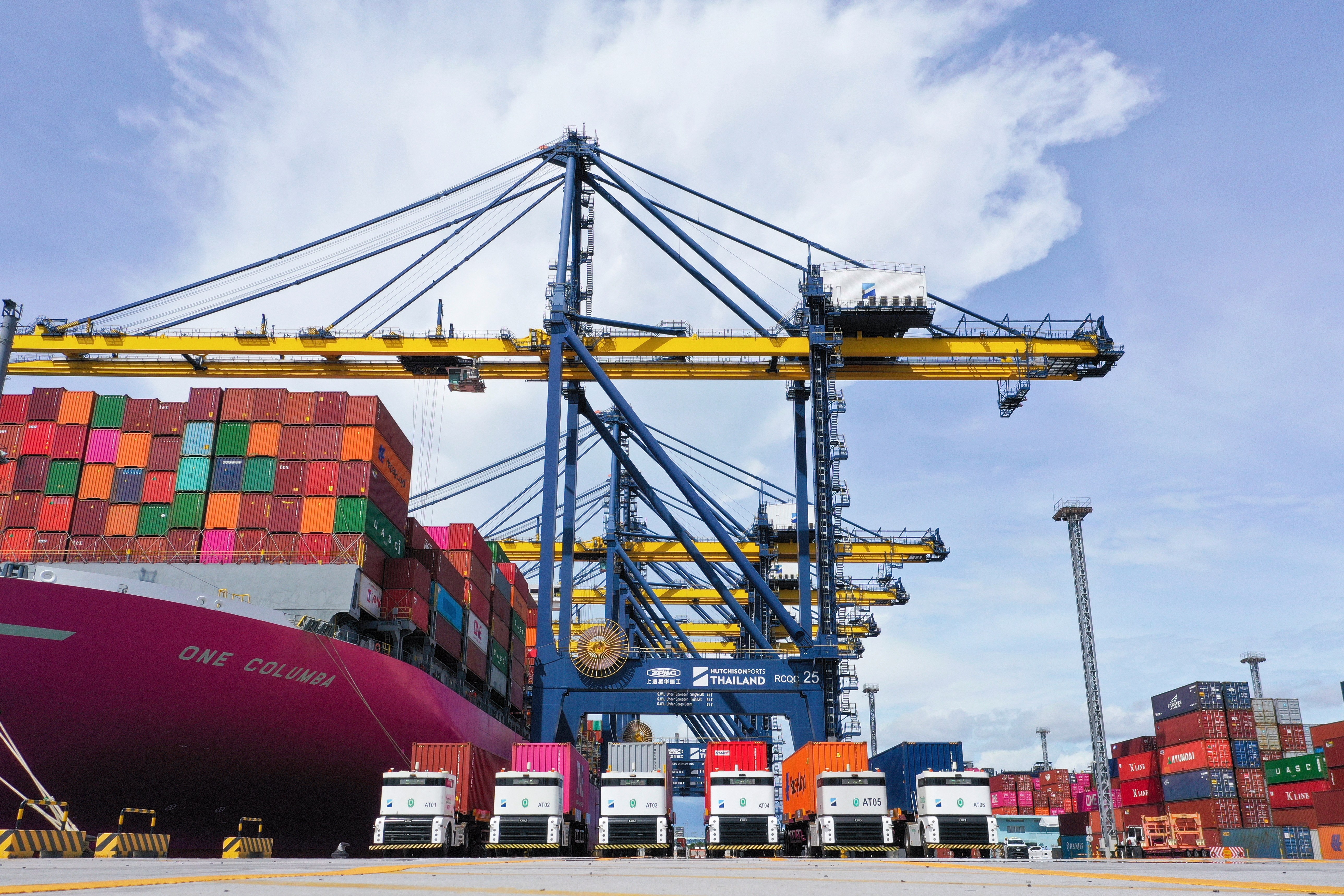
As part of our Ainergy global strategy, we are expanding our smart logistics solutions worldwide, delivering AI + Green Energy integrated systems to large-scale logistics customers. At the same time, we are working closely with partners across the logistics supply chain to share intelligence, collaborate, and drive mutual growth, helping the entire ecosystem become smarter and more efficient.
Autonomous electric heavy-duty trucks generate valuable operational data during daily operations, including information on battery status, driving patterns, route efficiency, and vehicle performance.
This data can be used to monitor operations in real time, optimize maintenance schedules, and improve energy management, helping fleets operate more efficiently and reliably.
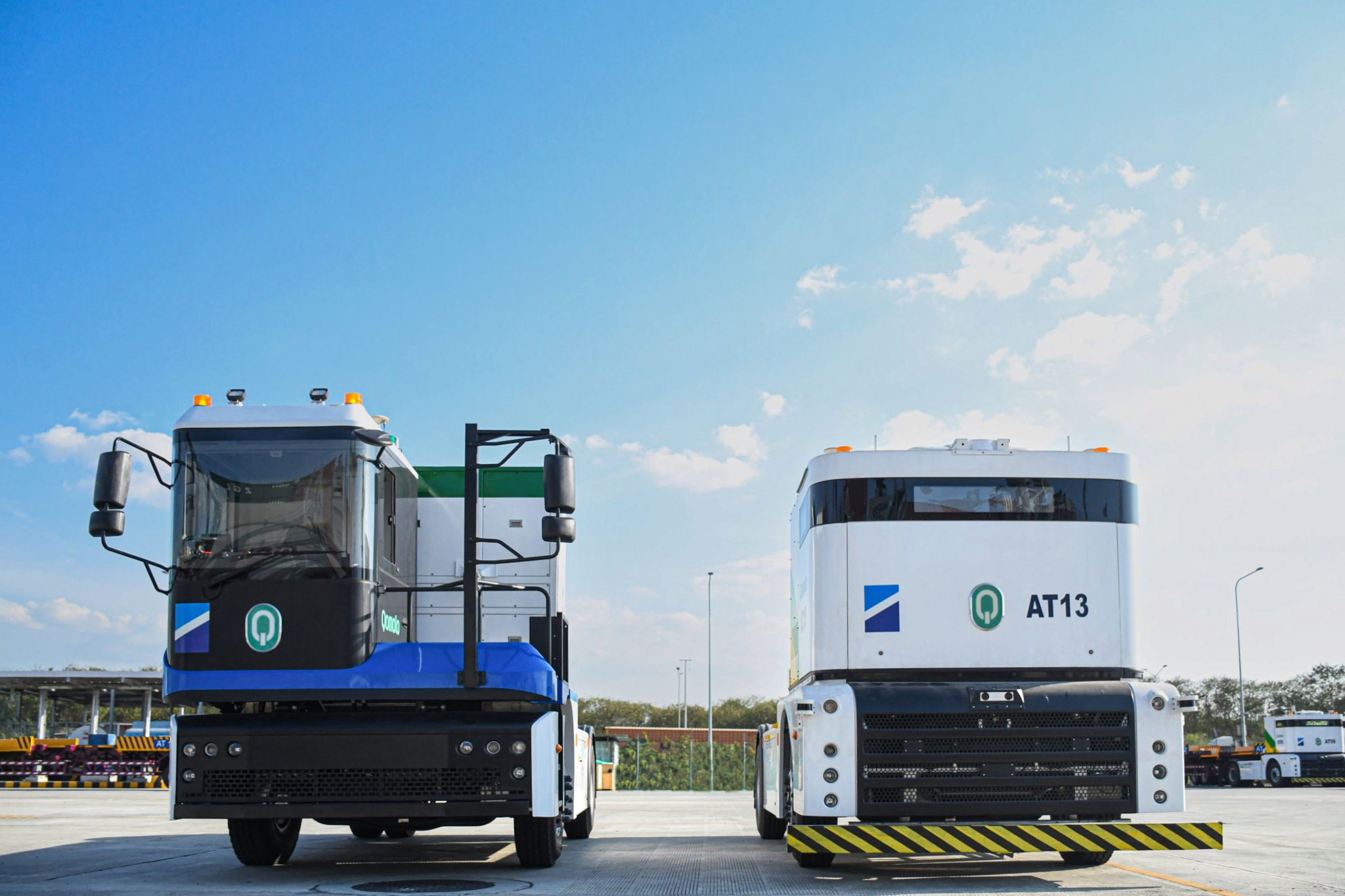
With Westwell’s Q-Truck, these insights are already applied to enhance battery management and refine operational planning, laying the groundwork for smarter, more efficient logistics over time.
L4 autonomous trucks are practical and commercially viable today, especially in controlled environments like ports and logistics hubs. By combining continuous operation, rapid battery swaps, and smart fleet coordination, they reduce costs, boost efficiency, and improve supply chain performance.
Integrated into smart logistics networks, these trucks work seamlessly with conventional vehicles, leveraging data-driven insights to optimize operations. Supported by policy incentives and ESG goals, electric heavy-duty autonomous trucks are paving the way for smarter, greener, and more resilient logistics, marking the start of a new era in intelligent transportation.