This is why a terminal can operate automated quay cranes, autonomous vehicles and digital planning systems, yet still depend on radio-led coordination. The equipment may execute individual tasks well, but the operation has no shared way to decide what should happen when vessel priorities, equipment availability and yard conditions change together.
The useful question for an operator is simpler: which calls exist because the operation lacks a visible task state, a defined decision rule or a reliable exception process?
Where the hand-offs usually break
A TOS may hold the vessel plan and container sequence. An FMS may see vehicle location and availability. A crane system may register its own working status. If those systems are not coordinated, the same move can carry different priorities for different teams.
|
Operating moment
|
Fragmented response
|
Coordinated response
|
|
A crane changes bay or becomes unavailable
|
Dispatchers call the quay team, then manually alter vehicle assignments
|
Crane state changes update the shared task view; affected moves are flagged for review or reassignment
|
|
A truck is low on charge
|
The vehicle is removed from work late, leaving a task unassigned
|
Energy state is considered before dispatch; the system identifies which work can be completed safely and what capacity remains
|
|
A route closes or becomes congested
|
Drivers and dispatchers negotiate diversions by radio
|
Route restrictions are visible in the task plan; operators assess alternative routes and affected deadlines
|
|
A vessel plan changes
|
Teams rebuild priorities in separate tools
|
The revised plan is compared against active moves, available equipment and work-zone rules
|
Radio use itself is not the issue. It remains useful for safety-critical communication and conditions that cannot be fully described in a system. The friction appears when radios become the permanent bridge between systems that should share task, equipment and site status.
The same gap shows up differently by region
In Europe, the disruption often crosses the terminal boundary. The
European Commission's 2025 rail market report identifies congestion and slow digital deployment among the rail network's continuing constraints. For a terminal, a late or rescheduled hinterland movement can change gate, stack and vehicle priorities inside the site. The hand-off is between the terminal plan and the arrival information it receives from outside.
In the Middle East, service patterns can be less predictable when shipping routes change. UNCTAD reported that
Suez Canal tonnage remained about 70% below the 2023 average in May 2025, after vessels were rerouted around the Cape of Good Hope. A terminal cannot control those network conditions, but it can make vessel, yard, equipment and energy status visible when a revised call pattern changes the work plan.
Across Asia-Pacific, highly connected hubs must absorb disruption across a large number of vessel and feeder connections. UNCTAD's
second-quarter 2026 connectivity data places Shanghai, Ningbo-Zhoushan and Singapore at the top of its global liner-shipping connectivity ranking. That scale does not describe every terminal's operating model, but it does make timely task status and clear hand-offs more important when a local delay affects a wider sequence of moves.
One vessel delay can turn local changes into terminal-wide work
Consider a vessel whose berth time moves because of weather. The change affects more than the berth plan. Crane work sequences may change, the priority of import and export moves may shift, some vehicles may already be travelling to a different hand-off point, and charging or swap capacity may no longer match the revised workload.
In a fragmented operation, each team solves its portion of the problem. The quay team changes its sequence. Fleet dispatch calls drivers and adjusts assignments. Yard control manages traffic conflicts. The energy team responds when vehicles arrive for charging at the same time. Experienced dispatchers keep the operation moving by connecting those decisions manually.
In a coordinated operation, work begins with a shared decision process. The terminal identifies which active tasks are affected, distinguishes tasks that can be paused from those that need immediate reassignment, accounts for vehicle and energy availability, and presents the decisions that require operator confirmation. This is the practical meaning of crane and truck coordination.
What a terminal decision layer must bring together
Fleet management becomes a terminal capability when it works with, rather than beside, the systems that already govern vessel, yard and equipment activity.
|
Information domain
|
What it includes
|
Why it matters to dispatch
|
|
Task state
|
Vessel plan, container priority, yard move, hand-off milestone
|
Establishes which work matters now and which work can wait
|
|
Equipment state
|
Vehicle location, load capability, state of charge, fault and maintenance status
|
Shows the usable capacity, rather than simply the number of assets on site
|
|
Site state
|
Route availability, traffic density, work zones, weather constraints
|
Tests whether a proposed task can be completed under current conditions
|
|
Operating rules
|
Safety limits, priority logic, work-zone permissions and override authority
|
Defines what the system may recommend and what an operator must approve
|
|
Exception records
|
Delays, faults, congestion and recovery actions
|
Turns recurring disruption into a process that can be reviewed and improved
|
These domains do not need to be replaced by one new system. They need to be available to the people and tools responsible for making the next dispatch decision. A terminal should first establish which system owns each data point, how quickly it updates and which role is authorised to act on it.
The roles of perception, scheduling, vehicles and people
The
Smart Port operating model requires more than autonomous equipment. It needs a way to capture what is happening, turn that information into a task plan, execute the plan and recover when the plan no longer fits the site.
Cosmo provides the digital layer for this type of coordination. Its
WellOcean capability turns events across the vessel, quay crane, yard and gate into traceable operational data.
ReeWell then acts as the scheduling and management layer, bringing task, equipment, site and energy status into a common decision process. In practice, this can support a dispatcher with recommended task changes and a terminal-wide view. It complements the terminal's TOS, safety procedures and operational authority.
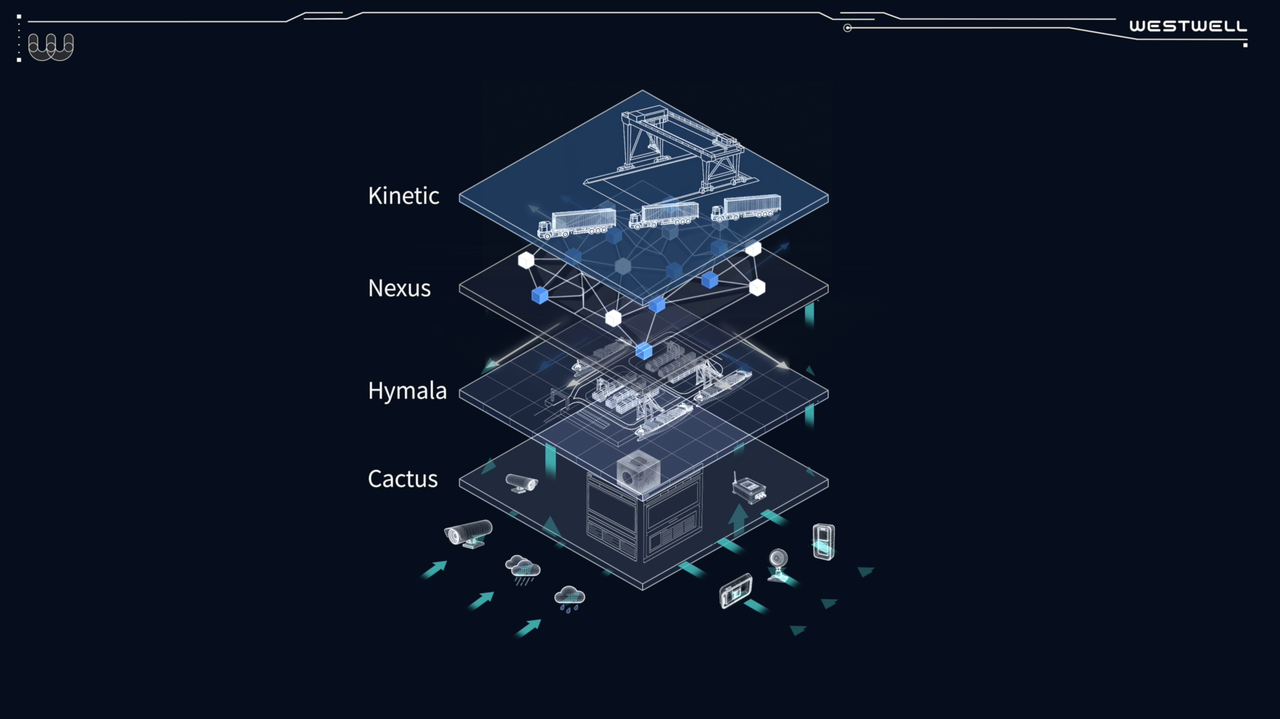
The transport layer also has a defined role.
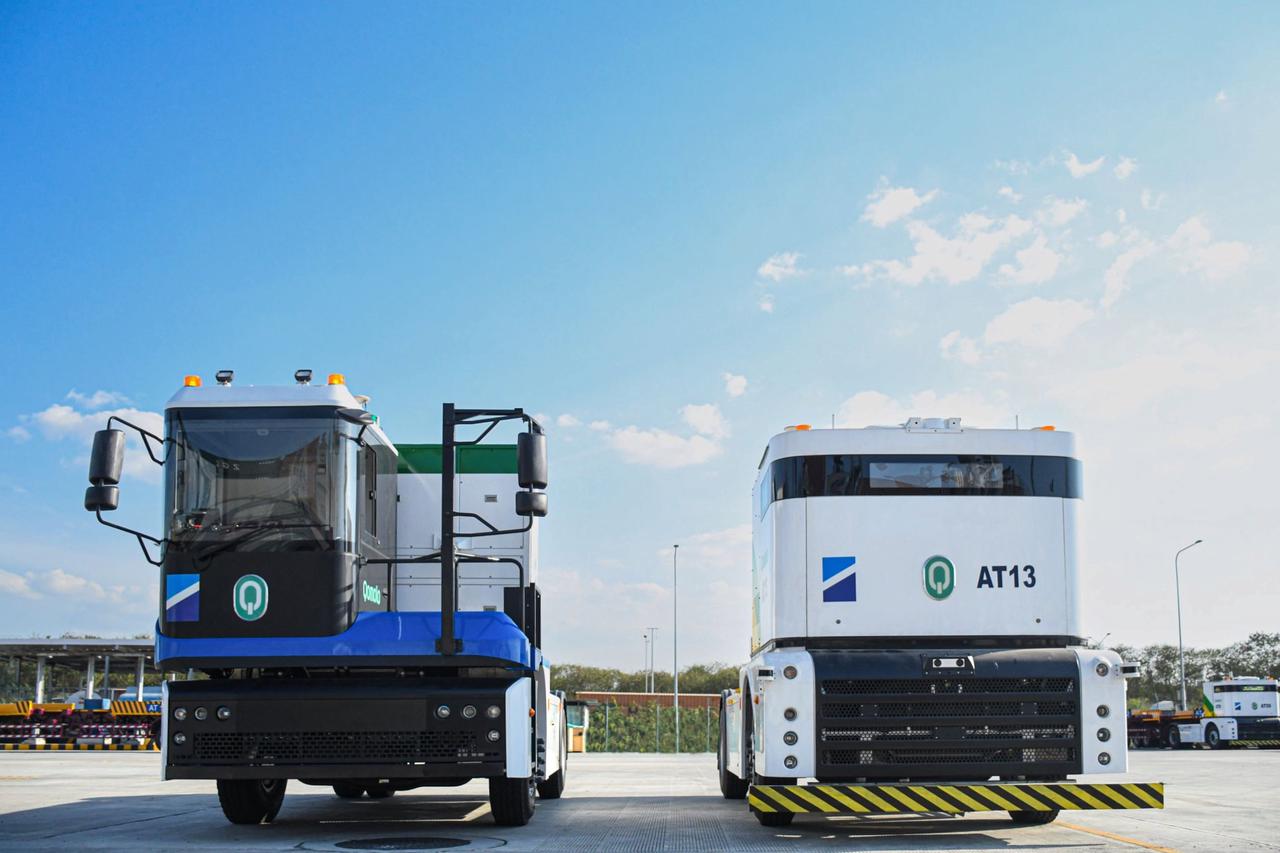
Qomolo autonomous and new-energy vehicles execute repeatable transport tasks within the site rules, while human-driven equipment and dispatch teams remain part of the operating model. The right division of work depends on the route, traffic environment, equipment interface and exception type. Automation should reduce routine information chasing, so experienced operators can focus on safety, customer priorities and situations that require judgement.
Start with visibility, then validate decisions
Most terminals do not need to replace every system before improving fleet coordination. A lower-risk path is to establish a connected operating view before changing live execution.
-
Map the current decision chain. Identify where a task starts, which systems contribute data, who confirms a change and which calls recur during a normal shift.
-
Connect and compare. Bring priority, equipment and site status into a common view. Run recommended task plans alongside existing dispatch to compare them with real operator decisions. This is the practical purpose of Shadow Mode.
-
Test exception playbooks. Validate how the operation responds to crane unavailability, a closed route, delayed vessel work, low energy and mixed-traffic conflicts. Define which decisions remain with the dispatcher.
-
Expand selected task types. Only after the rules work in live conditions should the terminal automate repeatable task types and widen the scope of system-led execution.
This approach keeps people in control of the transition. It also gives the terminal an evidence base for deciding whether the next constraint lies in equipment availability, route design, energy capacity, data quality or operating rules.
What to measure instead of radio-call volume
Radio traffic can reveal friction, but it is not the final KPI. Terminal leaders should measure whether the operation makes and recovers decisions more reliably.
-
Time from a crane-status change to a revised vehicle plan
-
Percentage of affected tasks reviewed or reassigned within the required operating window
-
Truck waiting time at crane and yard interfaces
-
Dispatcher intervention rate by task type
-
Duration and location of congestion at critical traffic nodes
-
Planned versus unplanned energy-related downtime
These measures show whether fleet management is improving the whole task chain, rather than simply increasing the number of automated assets. They also help an operator separate a scheduling problem from an equipment, infrastructure or process problem.
A live-operation question for terminal leaders
At
Laem Chabang Port in Thailand, autonomous Q-Trucks and human-driven E-Trucks operate in the same terminal, supported by WellFMS fleet management. The deployment offers a relevant operating context for terminals assessing a mixed fleet. When manual and autonomous equipment share an operating area, the fleet-management layer needs to bring task priorities, vehicle availability, energy status and route conditions into the same operating view as the plan changes. Each terminal still needs to establish its own task rules, handovers and response procedures for those changes.
For a terminal control tower, the next practical step is to examine a recent disrupted shift. Which calls confirmed facts that should have been visible? Which calls settled a priority conflict that should have had an agreed rule? Which calls involved judgement that should remain with an experienced dispatcher? The answers identify where smart terminal fleet management can create operational value.
Westwell’s view: Data must move before containers do
At a terminal, this means that a change should be visible before someone has to chase it by radio. Task priority, equipment availability, energy condition and route status need to be available in a common decision view before the next move is assigned.
That does not make dispatchers redundant. A well-designed system handles routine visibility, shows the operational effect of a change and flags decisions that need attention. The dispatcher retains authority over safety, commercial priorities and exceptions where local knowledge matters.
Westwell's
Smart Port approach connects perception, task management and vehicle execution around this operating requirement. The test is straightforward: after a crane delay, route closure or vessel-plan change, can the people responsible for the next move see the same situation and act under the same rules? If they can, the terminal is better placed to keep work moving without turning every change into a chain of radio calls.