

In 2023, large-scale modeling technology has become an unignorable focal point in the field of science and technology, widely regarded as a productivity tool similar to the Industrial Revolution, drawing attention from various industries regarding the revolution of production methods. In the field of autonomous and intelligent driving, this technology plays a crucial role in enhancing decision-making and simulation training, with far-reaching implications for the field of intelligent vehicles in particular.
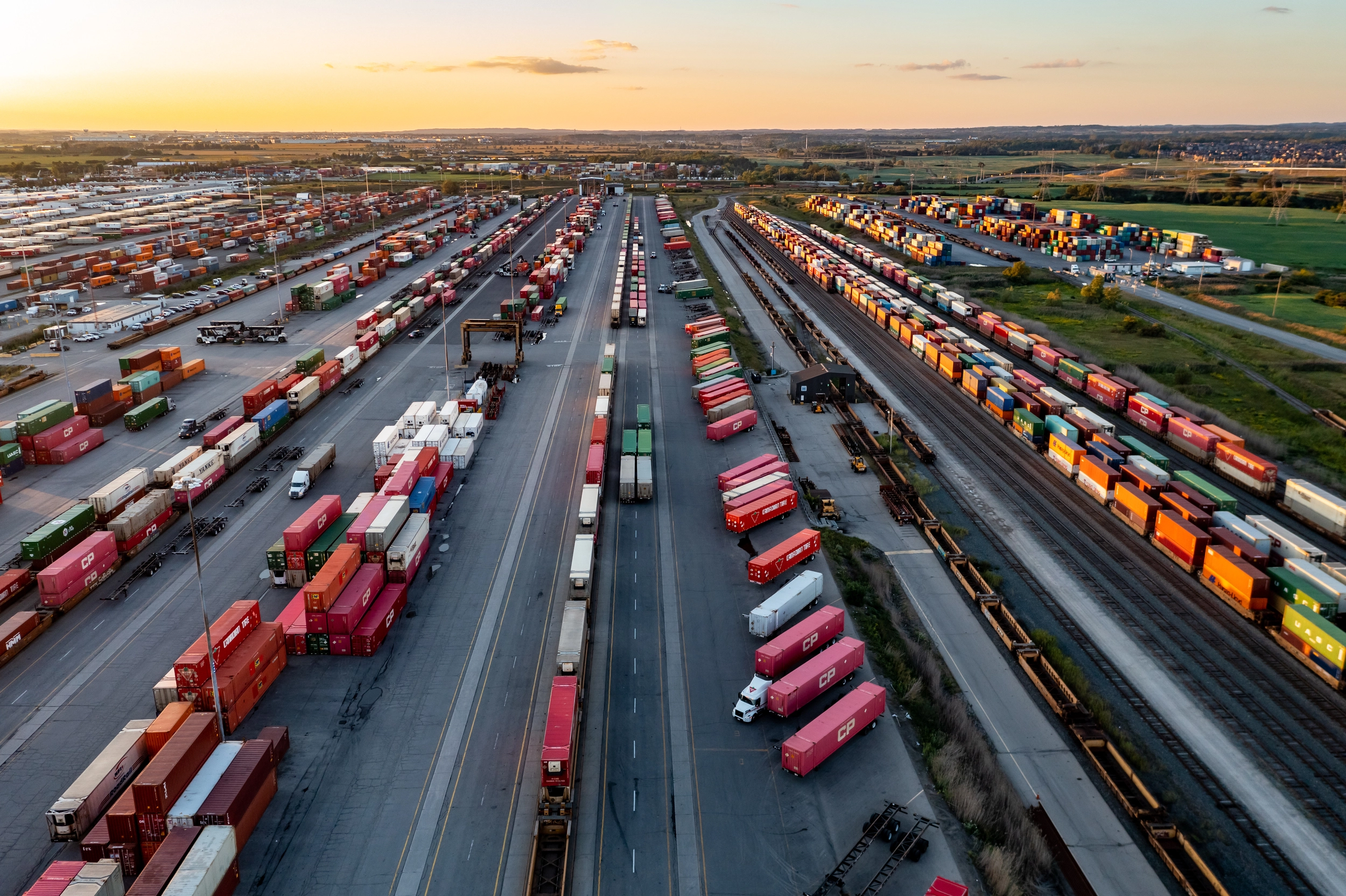
While the general consumer perception of autonomous driving remains in its early stages, notable advancements have been made in the commercial truck sector, particularly in enclosed or semi-open environments like ports, terminals, and mines. Autonomous driving technology is increasingly catering to B-side customers in these scenarios. Westwell stands out as a company that has made significant strides in this field. Over the past three years, Q-Truck, an autonomous new energy electric heavy truck, has operated alongside traditional manned trucks at the port of Laem Chabang Port in Thailand. It has successfully completed more than 405,000 TEUs of live ship operations. Additionally, Qomolo, the brand specializing in new energy autonomous driving commercial system and intelligent energy solution, powered by Westwell, has been operationalized in numerous countries and regions worldwide.
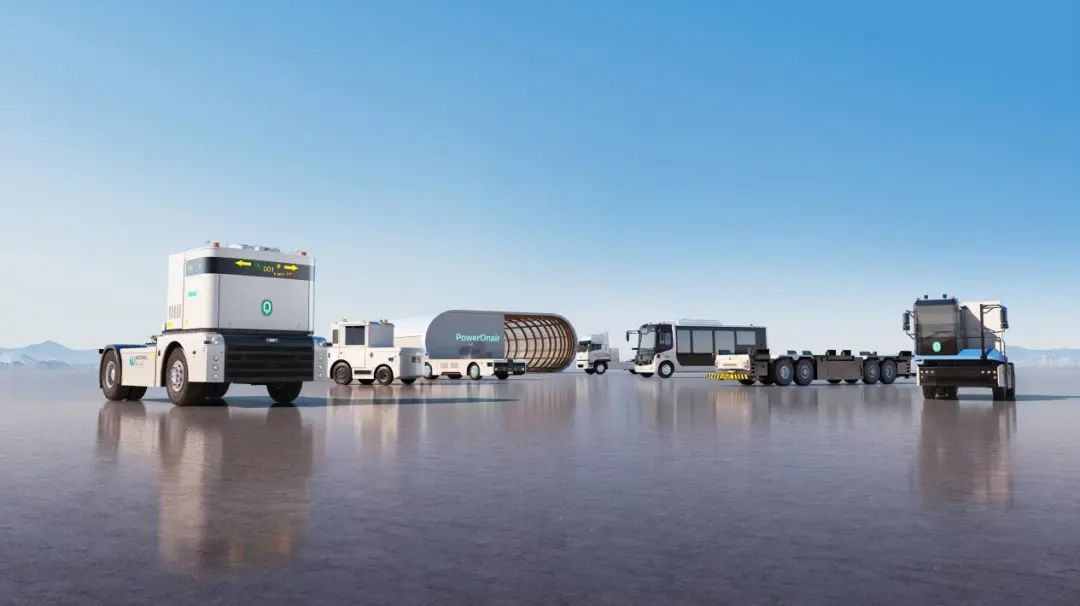
Beyond merely offering autonomous unmanned products for the B2B market, Westwell, with a broader perspective, is committed to the full digitization and intelligentization of the environments in ports, airports, and other expansive logistics scenarios. The aim is to achieve highly efficient and green energy utilization by leveraging a power exchange mode based on green energy, breaking through the limitations of insufficient intelligent transportation capacity. This transformative shift towards an "intelligent ecological" model not only involves self-driving technology and also encompasses a broader spectrum of aspects. It will persist in advancing the efficient, cost-effective, and sustainable circulation of production factors within scenarios.
Westwell's autonomous vehicles have been successfully implemented in 18 countries and regions worldwide, catering to the needs of over 160 corporate groups. The global "container logistics" market is of immense scale, reaching into the trillion-dollar range. In the future, Westwell remains committed to thorough engagement across all logistics scenarios, including sea, rail, air, and factories. Westwell aims to drive the global logistics industry towards achieving more efficient and sustainable value enhancement through the deep integration of "new intelligence and green energy."
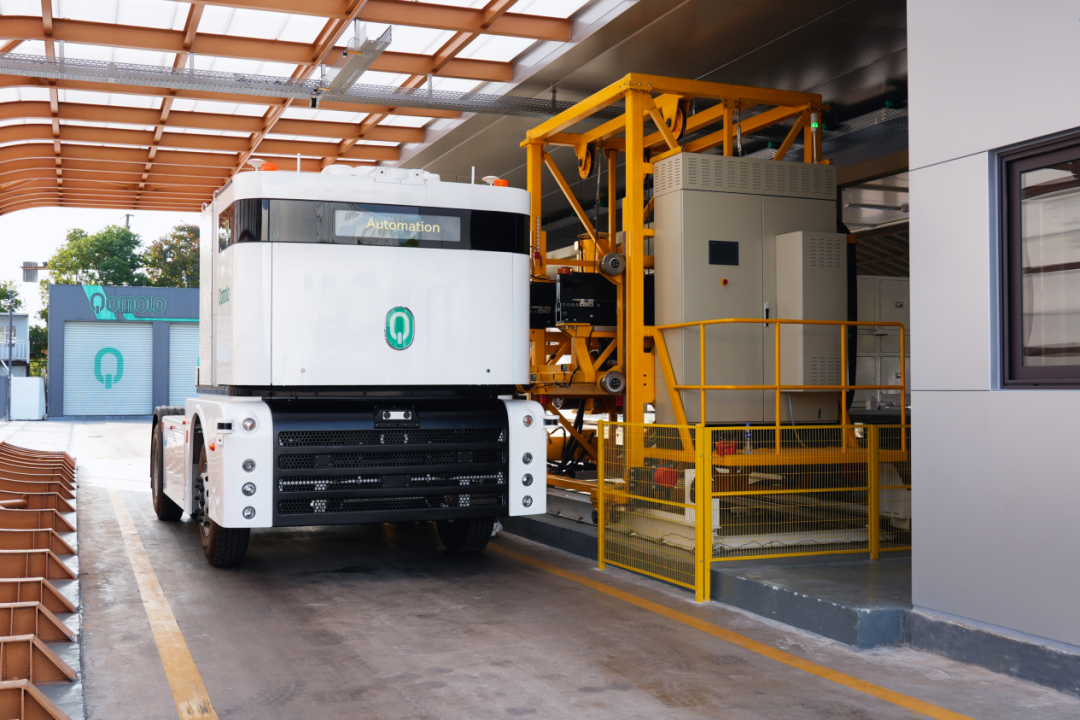
The successful implementation of Westwell’s autonomous driving commercial trucks can be attributed to its innovative technology and market strategy. The Q-Truck, using Westwell's self-developed full-stack AI and multi-sensor fusion sensing technology, delivers precise and reliable self-driving capabilities. Additionally, Westwell utilizes the WellSIM simulation platform for thorough training and testing of autonomous driving solutions in diverse scenarios. In order to better integrate with real operational environments, Westwell has developed WellFMS, a comprehensive truck management and dispatching system. This system facilitates efficient and intelligent fleet-level dispatching. Moreover, the company has introduced PowerOnair, an intelligent green energy service that ensures rapid and efficient power exchange and replenishment, completing the process in just five minutes.
Westwell's self-driving applications extend beyond the conventional self-driving field, emphasizing green energy and intelligent transformation. Westwell aims to offer cutting-edge "AI + Green Energy" integrated solutions for the traditional logistics industry. These efforts position Westwell not only as a provider of technical products but also as a source of ongoing value empowerment for partners, helping them to achieve swift and cost-effective intelligent transformations, thereby contributing to the overall advancement of the logistics industry.
The success of Westwell is not solely attributed to its advanced technology but also its profound understanding of and effective response to market needs. The company's two major optimizations in its products facilitate a seamless transition from manned to unmanned driving. These optimizations are meticulously designed to accommodate the operational requirements of both closed scenarios and semi-open roads.
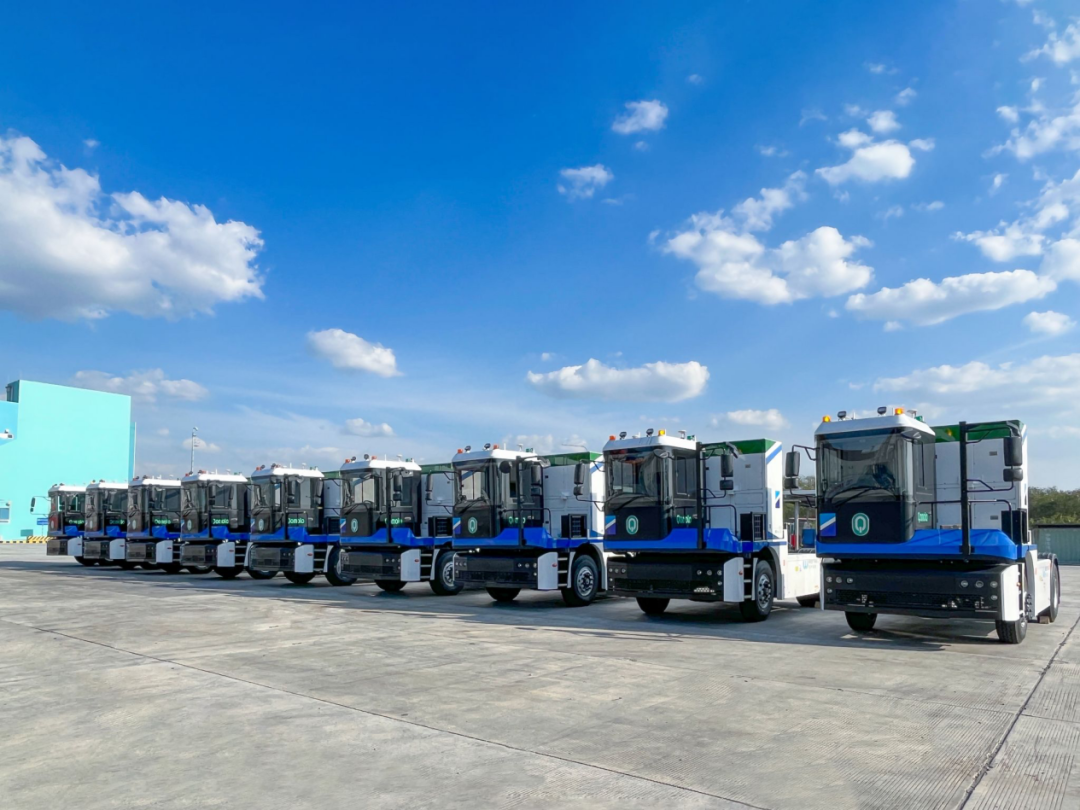
On the one hand, Westwell launched the E-Truck, a groundbreaking innovation as the world's first updatable autonomous intelligent connected new energy heavy truck with the capability for autonomous driving upgrades. In contrast to the Q-Truck, which lacks a cockpit at all, the E-Truck provides increased flexibility. This allows companies to seamlessly switch between manned and unmanned driving based on their specific needs. This design minimizes uncertainty associated with adopting new technologies while providing the potential for future upgrades.
The E-Truck adopts a wire-control chassis design that is shared across the full series of Westwell intelligent driving heavy trucks. Specifically engineered, the E-Truck is equipped with reserved sensor interfaces and can be upgraded for automatic driving. This foresighted design enables quick upgrades by adding sensors and updating OTA when needed. For Westwell, the launch of the E-Truck serves as a strategy to reduce costs and enhance efficiency. Regardless of whether it operates in manned or autonomous driving, it has to be put into practice in the end and be combined with actual scenarios.
On the other hand, Westwell has introduced a new energy exchange model for energy replenishment. This rapid power exchange mode not only enhances the cost efficiency and automation of the production process but also plays a significant role in reducing green carbon emissions. Furthermore, with the precise control provided by the WellFMS truck management and dispatching system, energy consumption can be managed more effectively, leading to improved economic and environmental benefits for automated trucks.
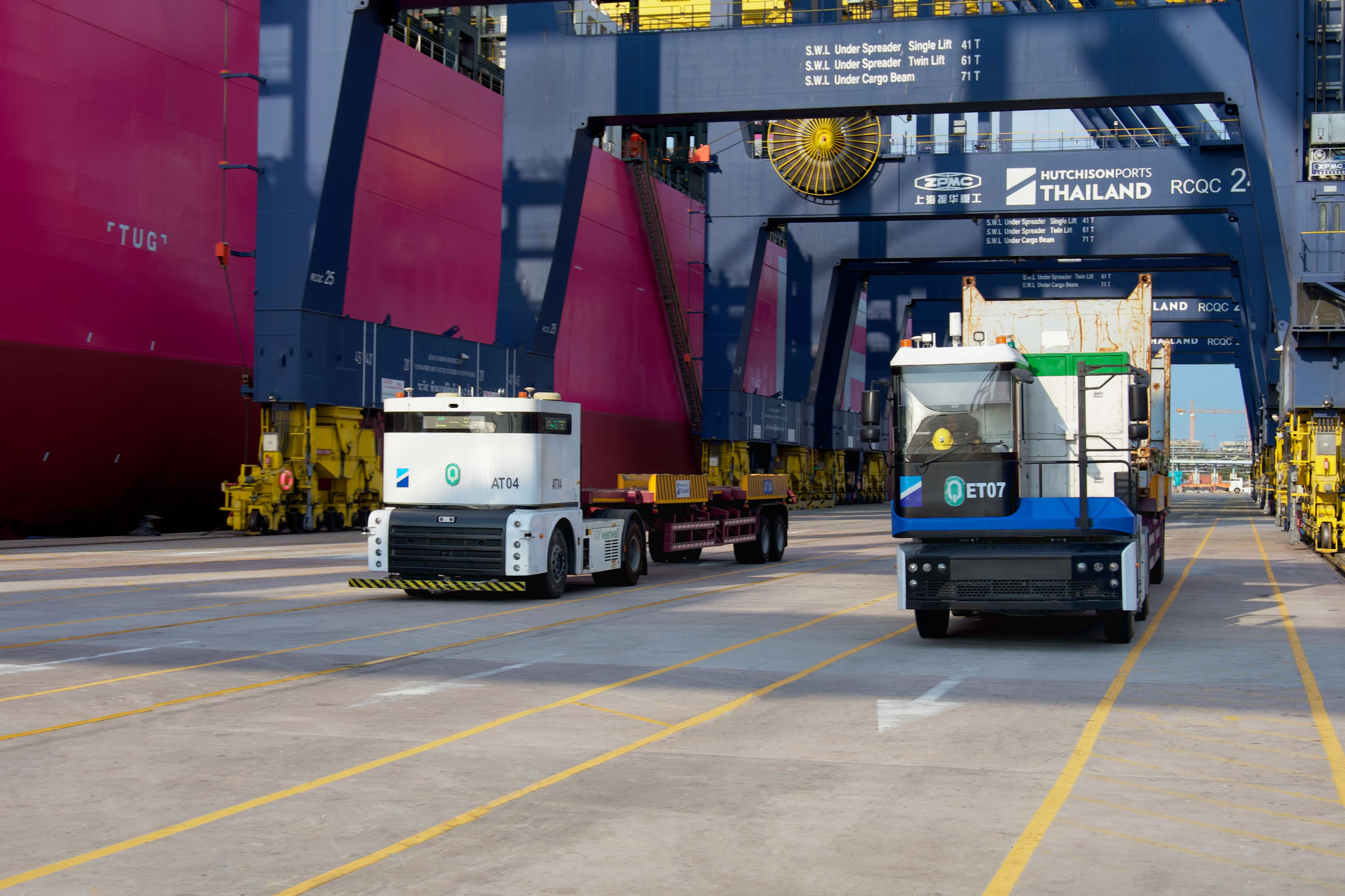
Westwell's Qomolo green energy autonomous driving solution has been successfully put into use at the port of Laem Chabang in Thailand, gaining recognition from Thai port customers. Westwell has established a comprehensive "Intelligent + Green Energy" ecosystem and is in the process of developing unmanned Q-Trucks and manned E-Trucks, ensuring safe and efficient mixed operation with the assistance of the WellFMS truck scheduling management system. It is estimated that the Q-Truck can contribute to a reduction of 50 tons of emissions per year, which is equivalent to planting 4,545 trees.
Looking ahead to the future, Westwell is poised to persist in its innovations within the field of automated driving, with plans to introduce its globalized solutions across a broader range of commercial applications. By widely deploying its products and services on a global scale and tailoring them to the unique needs and cultures of different regions, Westwell is committed to catalyzing the transformation of more traditional scenarios within the large logistics sector, infusing intelligence and green energy. Westwell aims to tackle challenges such as labor shortages and pollution, as well as enhance the overall productivity and sustainability of the logistics industry.
Through its innovations and applications in the fields of AI and green energy, Westwell aspires to provide robust support and solutions for the digital and intelligent transformation of the traditional logistics industry. Westwell is driven by the goal of making a substantial contribution to the overall progress of the industry, ushering in a new era of efficiency, sustainability, and intelligence.