


Products
Industries
LinkAige
About


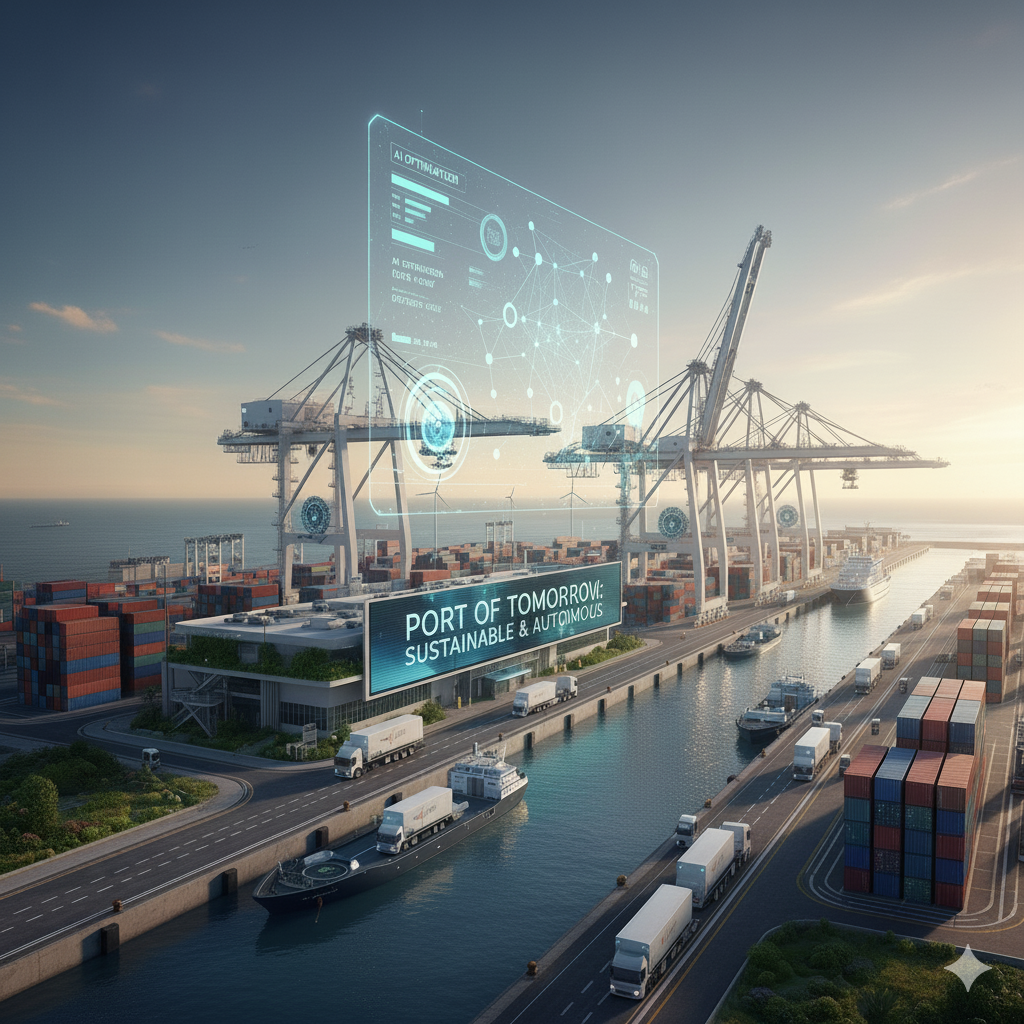
Global ports play a critical role in international trade, yet they remain one of the largest contributors to carbon emissions in the logistics sector. Traditional port operations — heavily reliant on diesel-powered equipment and outdated infrastructure — contribute significantly to the CO₂ footprint, making them a focal point in discussions around sustainable logistics. In response, ports worldwide are increasingly investing in electrification, port automation, and smart port technologies, aiming to reduce emissions while improving operational efficiency.
These transformations are driven not only by technological advances but also by rising pressure from ESG goals, corporate sustainability commitments, and regulatory frameworks such as the EU Emission Trading System in Europe. The emergence of the smart port concept is reshaping how nations and industries manage their supply chains, paving the way for green ports that support a low-carbon, sustainable supply chain. This article explores the global adoption of smart ports, highlights real-world applications, and examines regional policies guiding the transition toward emission-free and efficient port operations by 2025.
A smart port is a modern seaport that leverages digital technologies, automation, and electrification to optimize cargo handling, reduce carbon emissions, and improve overall sustainable logistics performance. Unlike traditional ports, which rely heavily on manual operations and fossil-fuel-powered equipment, smart ports integrate advanced technologies to streamline operations, enhance logistics dispatch, and strengthen the sustainable supply chain.
Smart ports are not defined by a single technology; rather, they are composed of several interconnected components that collectively improve efficiency, reduce environmental impact, and support green port initiatives. Below are the key aspects that make a port “smart.”
Automation replaces manual handling with robotic cranes, automated guided vehicles (AGVs), and conveyor systems. This reduces human error, increases cargo throughput, and shortens turnaround times while lowering fuel consumption.
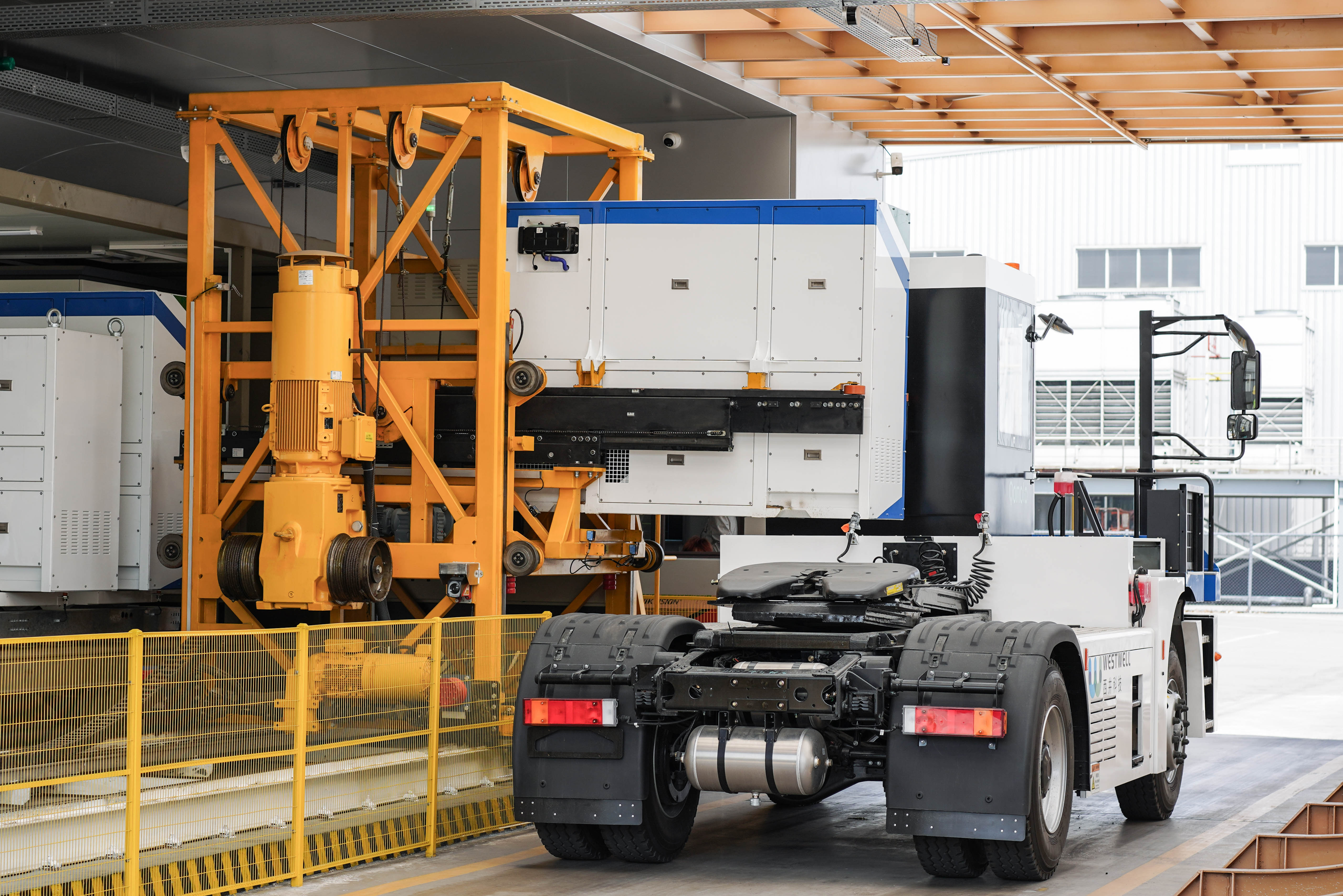
Replacing diesel-powered machinery with electric cranes, trucks, and terminal equipment significantly cuts carbon emissions and supports low-carbon logistics. Electrified systems also reduce noise and air pollution in surrounding communities.
Sensors, IoT devices, and smart tracking systems allow ports to monitor equipment performance, manage inventory, and optimize cargo flows in real-time. This digital port operation improves scheduling accuracy and enhances operational decision-making.
Artificial intelligence helps predict cargo demand, optimize berth allocation, and automate logistics dispatch, improving operational efficiency and reducing bottlenecks. AI also supports predictive maintenance, which lowers downtime and operational costs.
Smart ports integrate environmental monitoring systems to track emissions, energy consumption, and waste. This data helps ports comply with regional regulations and contributes to corporate ESG goals.
The Port of Felixstowe, the UK’s largest container port, is pioneering the integration of smart technologies to advance its sustainability goals. The port has introduced a fleet of electric autonomous terminal tractors, supplied by Westwell, as part of broader ESG initiatives to cut emissions and reduce environmental impact.
These upgrades improve logistics dispatch, boost operational efficiency, and support a more sustainable supply chain, showcasing the real-world benefits of green port innovation in Europe.
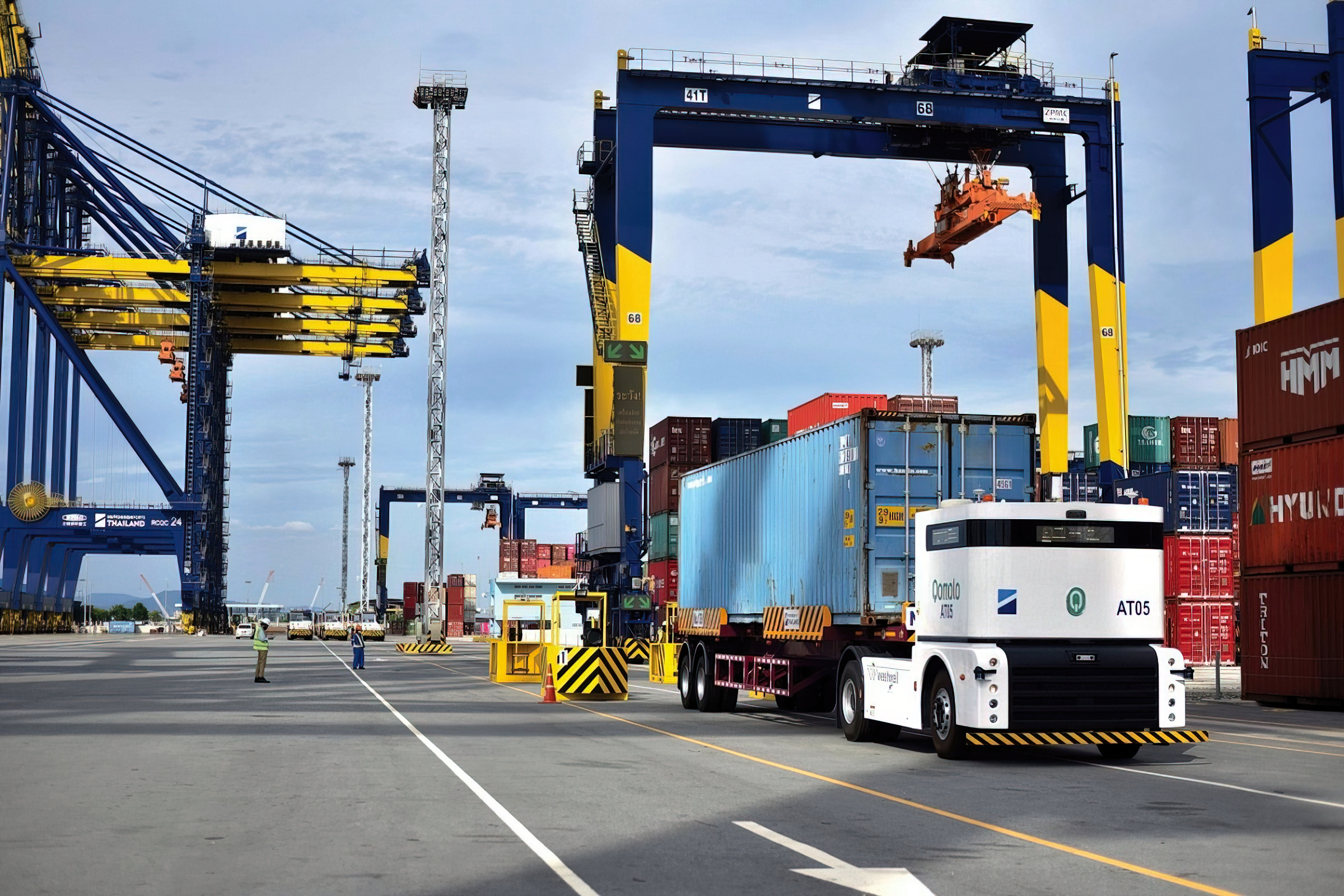
At Laem Chabang Port, Thailand's largest deep-sea port, Westwell has deployed a fleet of autonomous electric trucks to enhance port logistics. These trucks operate in a mixed-traffic environment, sharing the terminal with traditional, manned vehicles.
Since their deployment, the fleet has handled more than 700,000 TEU in vessel operations as of July 2025, demonstrating significant advancements in port automation and sustainability. This initiative aligns with the port's commitment to becoming a smart and green facility, improving logistics dispatch and reducing carbon emissions.
Since their deployment, the fleet has handled more than 700,000 TEU in vessel operations as of July 2025, demonstrating significant advancements in port automation and sustainability. This initiative aligns with the port's commitment to becoming a smart and green facility, improving logistics dispatch and reducing carbon emissions.
Middle East: Abu Dhabi Ports
At Khalifa Port in Abu Dhabi, Westwell has deployed autonomous electric truck operations as part of the port’s broader smart port transformation. By combining automation with AI-driven logistics management, the port is reducing reliance on diesel vehicles, cutting carbon emissions, and improving logistics dispatch efficiency.
This project reflects Abu Dhabi’s long-term ESG and sustainability ambitions, positioning Khalifa Port as a leader in green port innovation across the Middle East. By integrating automation, electrification, and digital intelligence, the port demonstrates how the region is advancing toward a more sustainable supply chain.
The UAE is positioning ports as key nodes in its national sustainability push. Abu Dhabi’s port operator and other UAE authorities are publicly prioritizing energy-efficiency projects, automation pilots and electric vehicle trials at Khalifa and other ports as part of broader decarbonization plans and economic diversification strategies.
Public-private partnerships and government plans (including renewable energy deployment and incentives for low-emissions operations) are helping accelerate adoption of electrified yard equipment and shore-power solutions.
Europe has the most direct regulatory pressure on maritime emissions. Under the EU Green Deal and related measures, the EU extended the Emissions Trading System (EU ETS) to cover large ships calling at EU ports (from 2024), and complementary rules such as FuelEU aim to cut carbon intensity of marine fuels. Those rules create a clear financial and compliance incentive for ports to electrify shoreside equipment, provide alternative fuels, and support ship-shore power so carriers and terminals can lower reported emissions and avoid higher allowance costs.
Saudi Arabia’s Vision 2030 and associated mega-projects are driving heavy investment in port and logistics infrastructure. New concessions and terminal projects are being framed against national sustainability goals and large renewable-energy projects (e.g., NEOM / Red Sea developments), which provide opportunities to integrate electrified port equipment and grid-connected solutions from the ground up as terminals are planned and expanded.
Southeast Asian governments and ASEAN are increasingly prioritizing digital logistics and energy transitions—but progress is uneven due to varying grid capacity, financing needs and national priorities. Regional frameworks and investment programs push for more digitalization (to optimize logistics dispatch and throughput) and energy infrastructure upgrades that can enable electrified port equipment, but the region will need substantial capital and grid upgrades to scale full electrification across major ports.
Global bodies are shaping the rules and technical assistance that make port electrification more actionable. The IMO’s revised GHG Strategy sets sectoral targets (including uptake of zero/near-zero fuels and carbon intensity cuts) that influence national policy and investment decisions. UNCTAD and other development agencies provide guidance and financing support to ports in developing countries to plan low-carbon port upgrades and resilient supply chains. Together, these organizations create policy pressure, technical standards and funding pathways for port decarbonization.
The path forward is clear: smart port technology and supportive policies are reshaping global logistics into greener, more resilient supply chains. From electrification and automation to AI-driven logistics dispatch, ports are proving that efficiency and sustainability can go hand in hand.
Beyond 2025, expect the rise of carbon-neutral, fully automated ports powered by digital intelligence. For port authorities, shipping companies, and ESG investors, the next step is to track policy shifts, invest in sustainable port technologies, and actively engage in global ESG initiatives to stay ahead in the green transition.